Diet, Metabolism, and Chronic Disease
URL. /global-metabolic-crisis/diet-metabolism-chronic-disease
Introduction
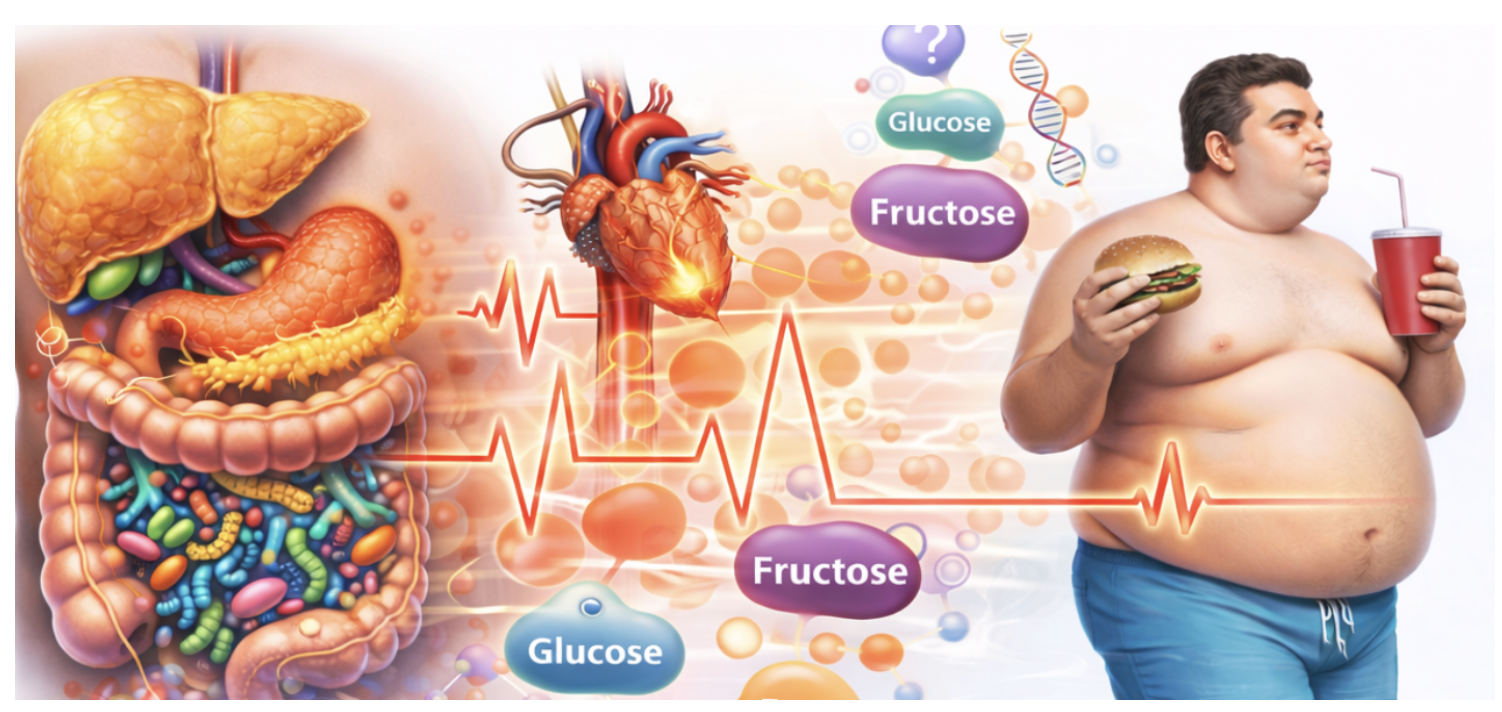
Diet plays a central role in shaping human metabolism. Nutrients consumed in food influence metabolic pathways that regulate energy balance, hormone signaling, and lipid metabolism.
Because metabolism depends on these pathways, dietary patterns can influence the risk of developing chronic diseases.
Researchers studying nutrition and metabolic health examine how different dietary environments interact with metabolic physiology.
Nutrients and Metabolic Pathways
Carbohydrates, fats, and proteins are processed through metabolic pathways that generate energy and build cellular structures.
The liver, pancreas, muscle, and adipose tissue all participate in these processes. Hormones such as insulin help coordinate how nutrients are used or stored.
When dietary patterns change, metabolic pathways must adjust to new patterns of nutrient exposure.
Dietary Patterns
Modern diets vary widely across populations, but several dietary patterns have attracted scientific attention because of their relationship with metabolic health.
These include diets characterized by:
• refined carbohydrates
• added sugars
• ultra-processed foods
• energy-dense products
These patterns may influence metabolic signaling and energy balance.
Metabolic Consequences
Changes in dietary patterns can influence several aspects of metabolic physiology, including:
• glucose regulation
• lipid metabolism
• inflammation
• energy storage
Over time, disturbances in these processes may contribute to the development of chronic metabolic diseases.
A Broader Perspective
Understanding the relationship between diet and metabolism requires examining both biological pathways and the environments in which food is produced and consumed.
By studying how dietary patterns interact with metabolic physiology, researchers aim to better understand the factors contributing to chronic disease.
Internets.com explores these interactions across many of the articles contained within this site.