An ancestral diet is not one diet.
It depends on where your ancestors lived.
A traditional diet in Japan was not the same as a traditional diet in Samoa, Mexico, India, Greece, Nigeria, Morocco, or Alaska.
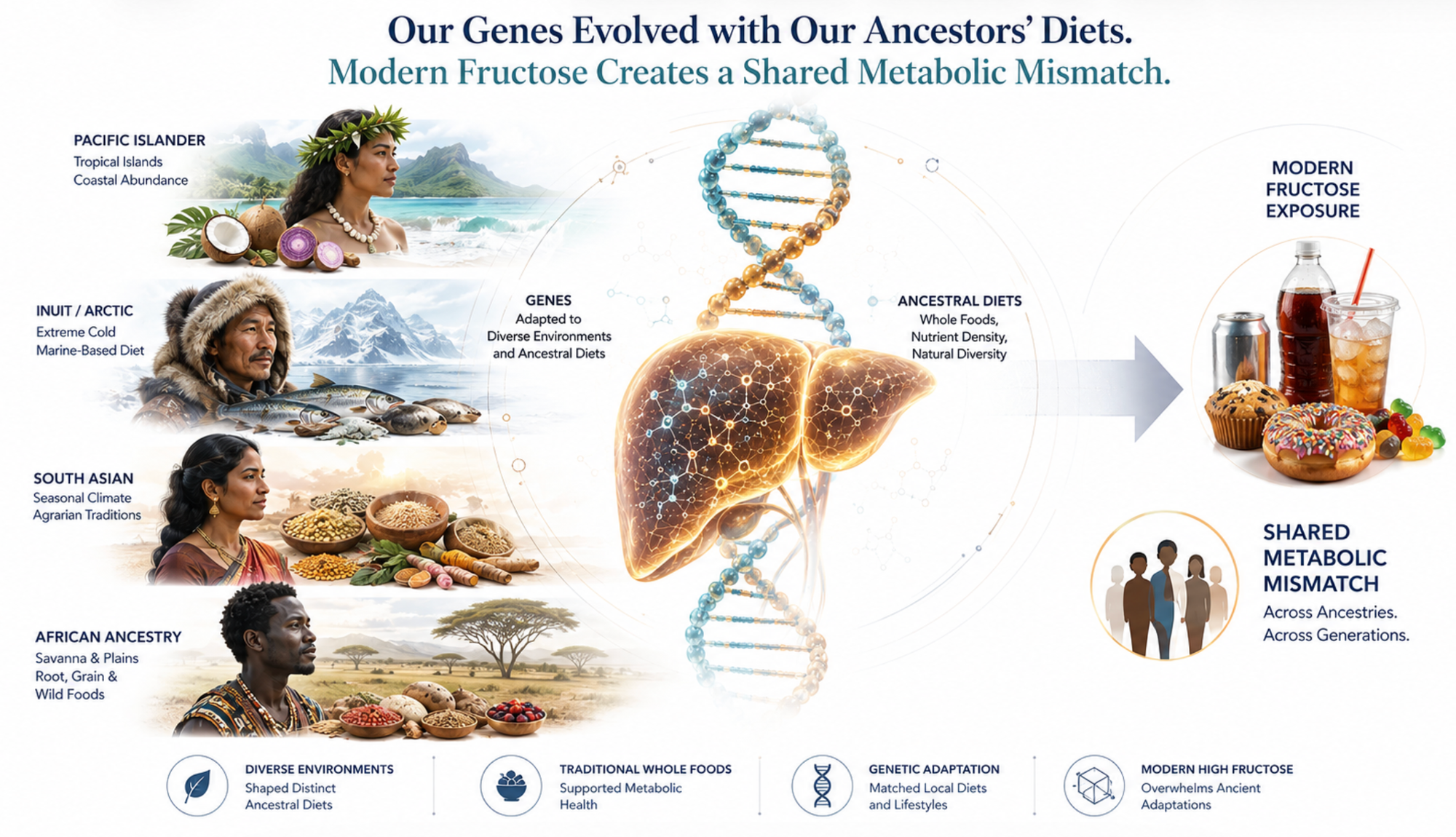
But traditional diets had one thing in common.
They were built from local foods.
Traditional diets were geographic
Different regions developed different food patterns.
Examples include:
- fish, taro, breadfruit, coconut, and root crops in parts of the Pacific Islands
- rice, lentils, vegetables, spices, and fermented foods in South Asia
- fish, soy foods, rice, seaweed, and vegetables in East Asia
- maize, beans, squash, chile, and regional fruits in Mexico and Central America
- olive oil, legumes, fish, vegetables, and grains around the Mediterranean
- sorghum, millet, yams, plantains, greens, and legumes in parts of West Africa
- dates, legumes, lamb, grains, and fermented foods in parts of the Middle East and North Africa
- wild game, fish, berries, roots, and seasonal foods in many Indigenous food systems
These diets were not perfect.
But they were usually less industrialized than the modern food supply.
What changed?
The modern diet introduced a new pattern:
- sugary drinks
- refined flour
- packaged snacks
- fast food
- sweetened cereals
- ultra-processed meals
- industrial oils
- high-fructose corn syrup
- large portions
- constant snacking
This changed the metabolic load.
Many people are now eating more sugar, less fiber, more refined starch, and more processed fat than their ancestors did.
Why the shift matters
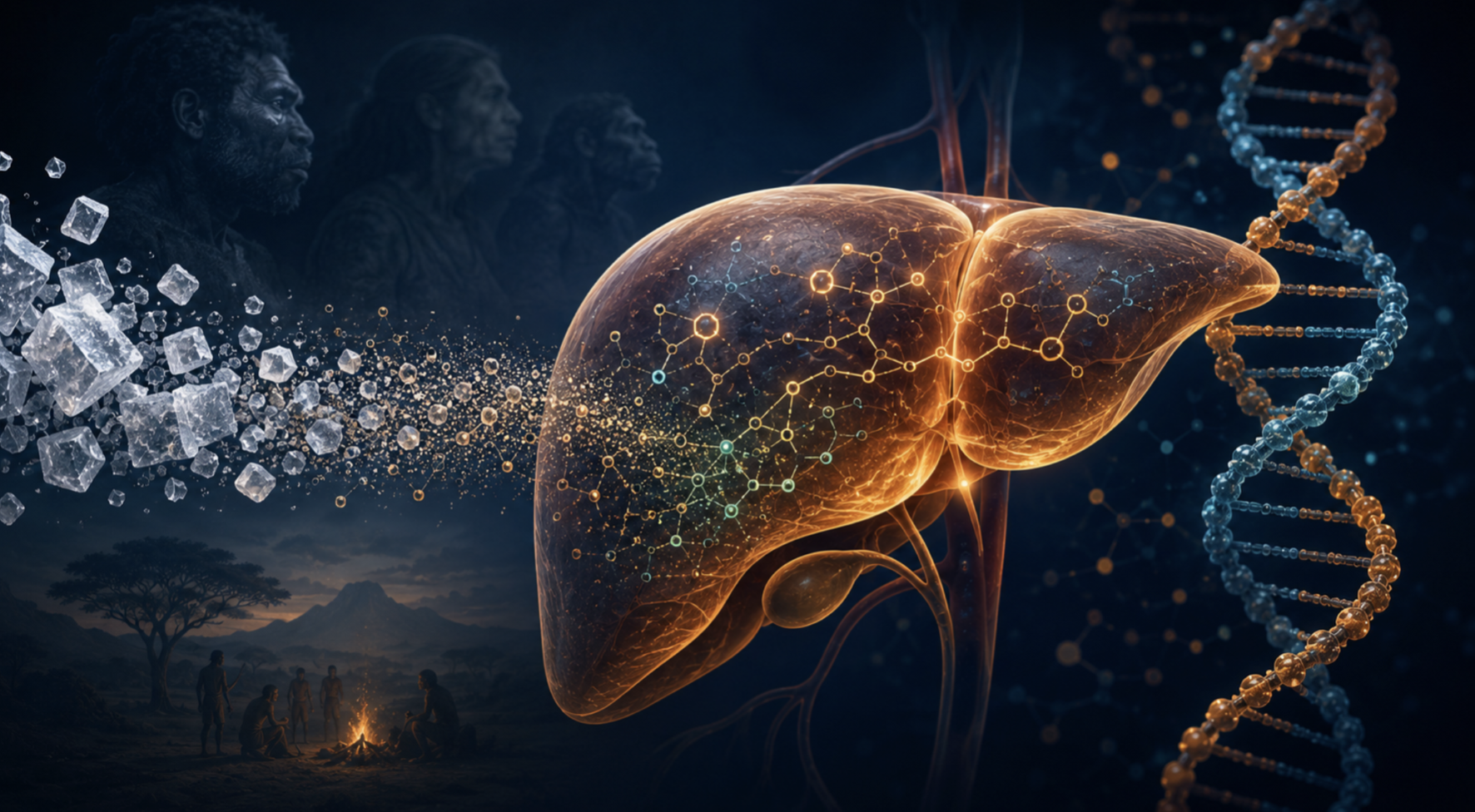
The body evolved under conditions of scarcity, seasonality, physical labor, and local food systems.
Modern food creates a different environment.
It is more abundant, more processed, more concentrated, and easier to overconsume. Sugar is a huge part of the modern food environment.
That mismatch can contribute to:
- insulin resistance
- fatty liver disease
- high triglycerides
- prediabetes
- obesity
- high blood pressure
- Type 2 diabetes
Why geography still matters
The modern diet reached different regions in different ways.
In the Pacific Islands, imported foods and sugary drinks reshaped local diets.
In South Asia, refined grains, urbanization, and sedentary work changed metabolic risk.
In Mexico and the Caribbean, sugary drinks and processed foods layered onto older food traditions.
In Indigenous North America, traditional food systems were disrupted by colonization, poverty, and food access barriers.
The same modern diet does not land on every population in the same way.
Bottom line
The ancestral diet question is not about nostalgia.
It is about mismatch.
Metabolic disease often rises when traditional food patterns are replaced by processed, sugar-heavy, low-fiber modern diets.