
Buy First Edition • Ch. 3 • Ch. 5 • Ch. 9 • Ch. 13 • Ch. 16 • Ch. 19 • Ch. 20 • Ch. 21
Media and Outreach:
News • For Journalists • Videos • Social Media • Contact
About:
About Internets
Internets.com is a public education platform explaining how genes, diet, and the modern food environment are driving obesity, diabetes, fatty liver disease, and heart disease across the world.
Why Internets.com exists
This project is bigger than one book. Internets.com is being built as an ongoing public resource for readers, clinicians, journalists, and families who want a clearer understanding of the collision between biology and the modern processed-food environment.
Here you can explore:
- fructose and metabolic science
- fatty liver, insulin resistance, and heart disease
- ancestry, adaptation, and traditional diets
- practical public-health and clinical implications
“Nothing is wrong with people. The environment changed faster than biology could adapt.”
The modern metabolic crisis is not a failure of willpower.
The food environment changed more quickly that human genes could adapt. The result is a food-related metabolic pandemic.
Four core ideas
1. Food policy assumes a “normal” response to food
One of the central problems in modern nutrition is the assumption that there is a single normal human response to food. A one-size-fits-all dietary model may be administratively convenient, but it is not biologically accurate.
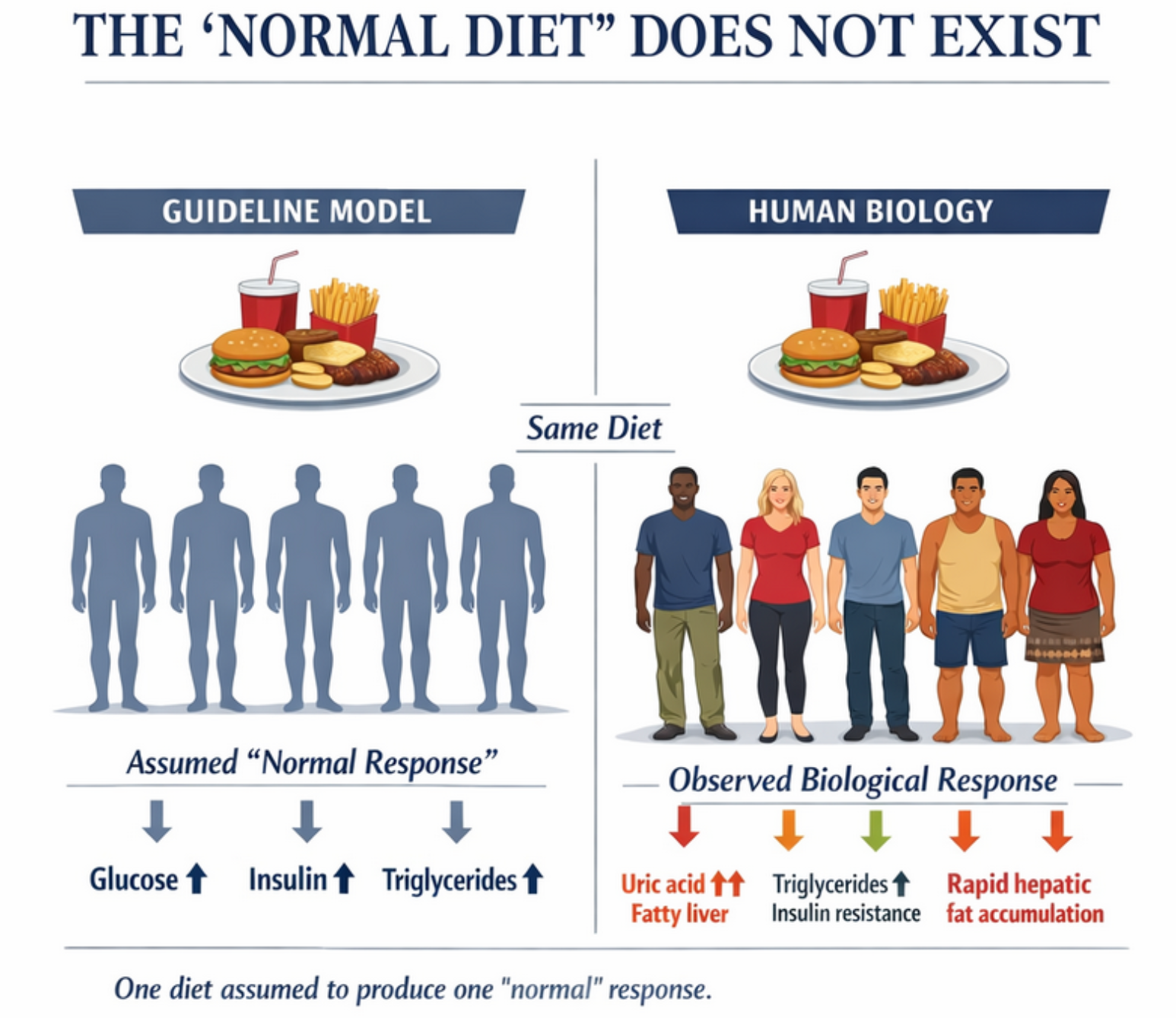
In reality, human metabolism is diverse. It has been shaped by genetics, ancestry, geography, and long dietary exposure. The same standardized meal can produce very different biological effects across individuals and populations, ranging from minimal harm to rapid fat accumulation, insulin resistance, elevated uric acid, and metabolic disease.
2. DNA matters
Human populations adapted over long periods to different food environments.
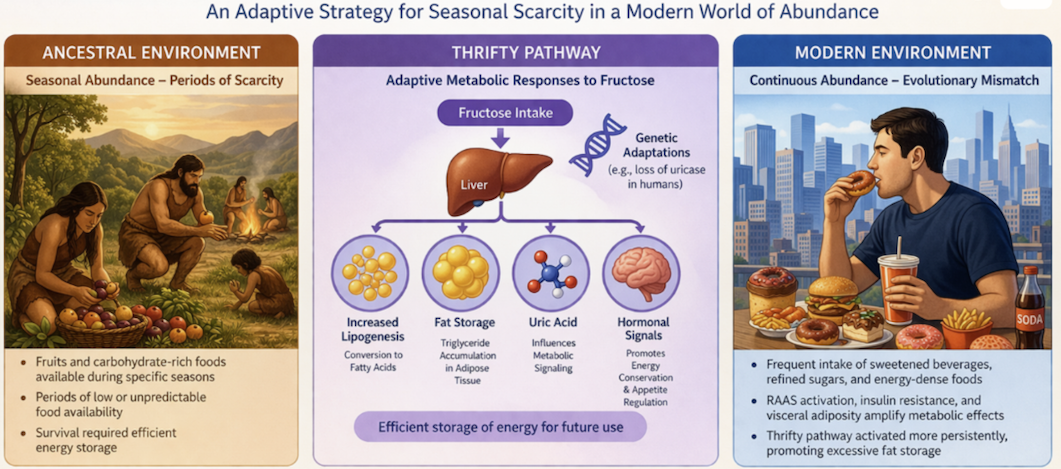
When those long-standing dietary patterns are abruptly replaced by industrial foods, metabolism can be overwhelmed. This helps explain why some populations develop diabetes, fatty liver, obesity, gout, kidney disease, or cardiovascular disease more rapidly than others under the same modern food exposure.
3. The environment changed
People did not suddenly lose discipline.
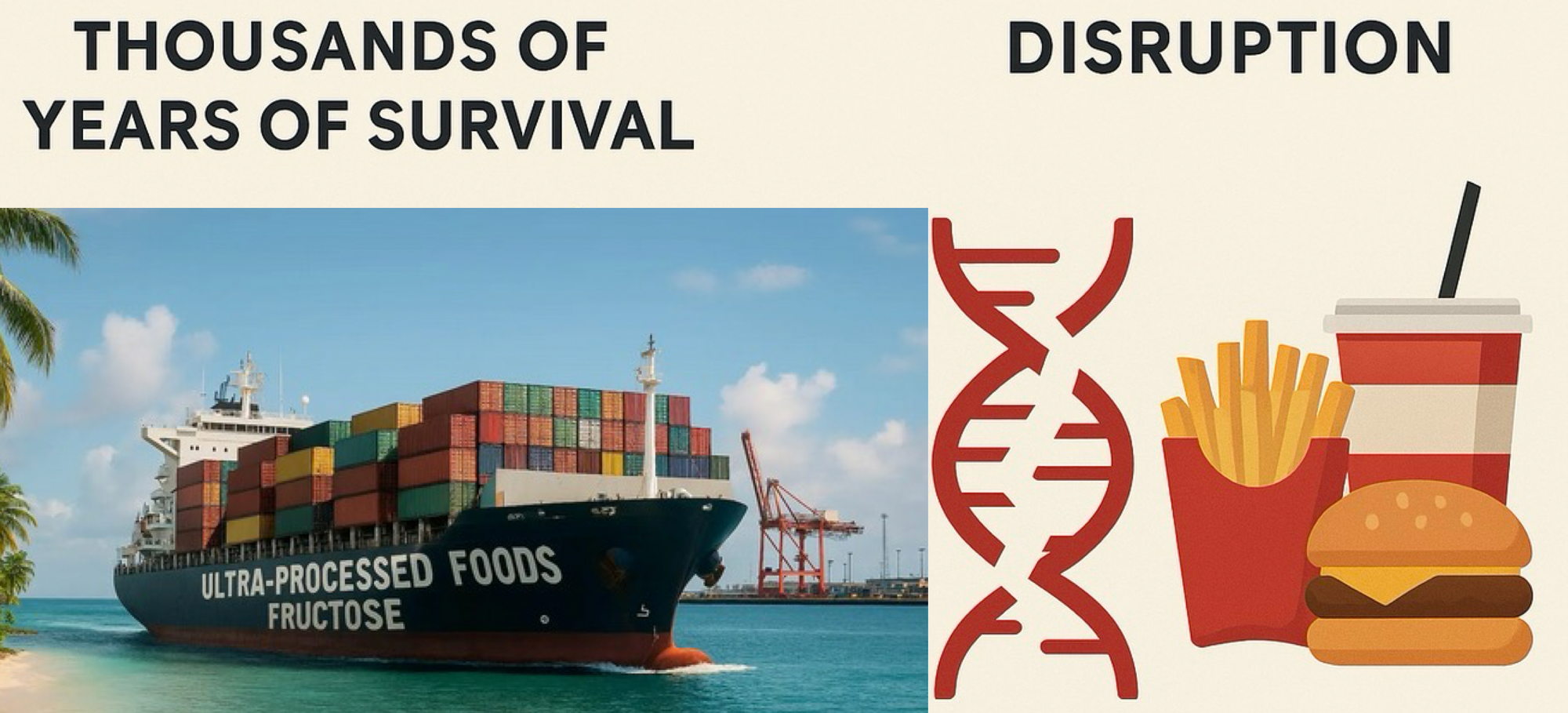
The food environment changed first:
- ingredients changed
- meal structure changed
- sugary beverages became normal
- ultra-processed foods displaced traditional staples
The result was not random. Disease patterns changed with the food system.
4. Fructose matters
A core message of this work is that modern fructose exposure places a distinctive metabolic burden on the liver. That burden contributes to:
- liver fat
- insulin resistance
- elevated triglycerides
- hyperuricemia
- broader metabolic and cardiovascular disease.
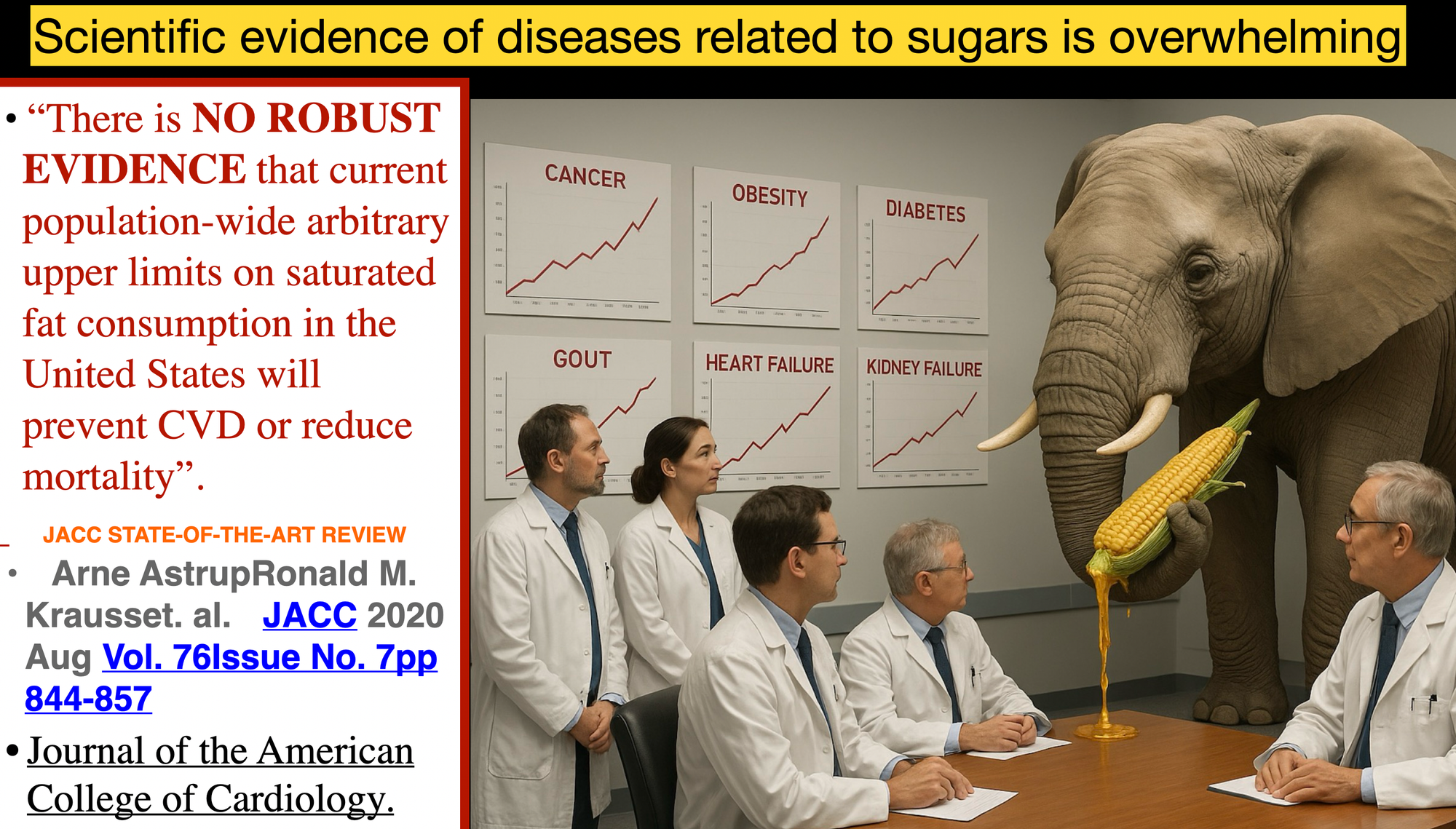
Fructose is not the whole story, but it is one of the most important parts of the modern one.
That burden contributes to:
- liver fat
- insulin resistance
- elevated triglycerides
- hyperuricemia
- broader metabolic and cardiovascular disease
About Peter Gregor, MD, FACC
I’m Peter Gregor, MD, FACC, a cardiologist working in the Western Pacific.
Across very different populations in North America, Africa, India, the Western Pacific, and Indigenous communities, I have seen the same broad pattern repeatedly:
When traditional diets that kept populations healthy for thousands of years are replaced by ultra-processed, sugar-heavy foods, metabolic disease rises quickly.
Internets.com was created to explain that pattern clearly, practically, and accessibly.
The website is a division of Internets Press, a health media company based in Saipan, USA.
Topics available for interview and public discussion
Topics available for interviews with Dr. Gregor include:
- fructose and metabolic disease
- obesity, diabetes, fatty liver disease, and cardiovascular disease
- ancestral diets and genetic mismatch in the Western Pacific
- ancestral breads, ube, and taro on Saipan
- typhoons, fallen coconuts, famine genes, survival, regeneration.
- practical responses for families, clinicians, and communities
- the global nutrition transition
News
December 2025
Marianas Press: Commonwealth Health Center cardiologist Dr. Peter Gregor delivered a sweeping presentation linking the modern explosion of sugar consumption—especially fructose—to the sharp rise in obesity, diabetes, cancers, and heart disease across Micronesia and the world.
July 2025
Our first major media publication was the book The Sweet Killer: Fructose, Genes and a Metabolic Pandemic.
Sample Chapters of The Sweet Killer
Media Contact
Website: www.internets.com
Email: info@internets.com
Phone: +1.670.484.4000