Main Global Crisis Page • How the Metabolic Crisis Developed • Rising Chronic Disease • World Health Organization Responds
Regions:
Africa • Europe • Middle East and North Africa • South Asia • East Asia • Southeast Asia • Oceania and Pacific Islands • Latin America and Caribbean • North America
Introduction
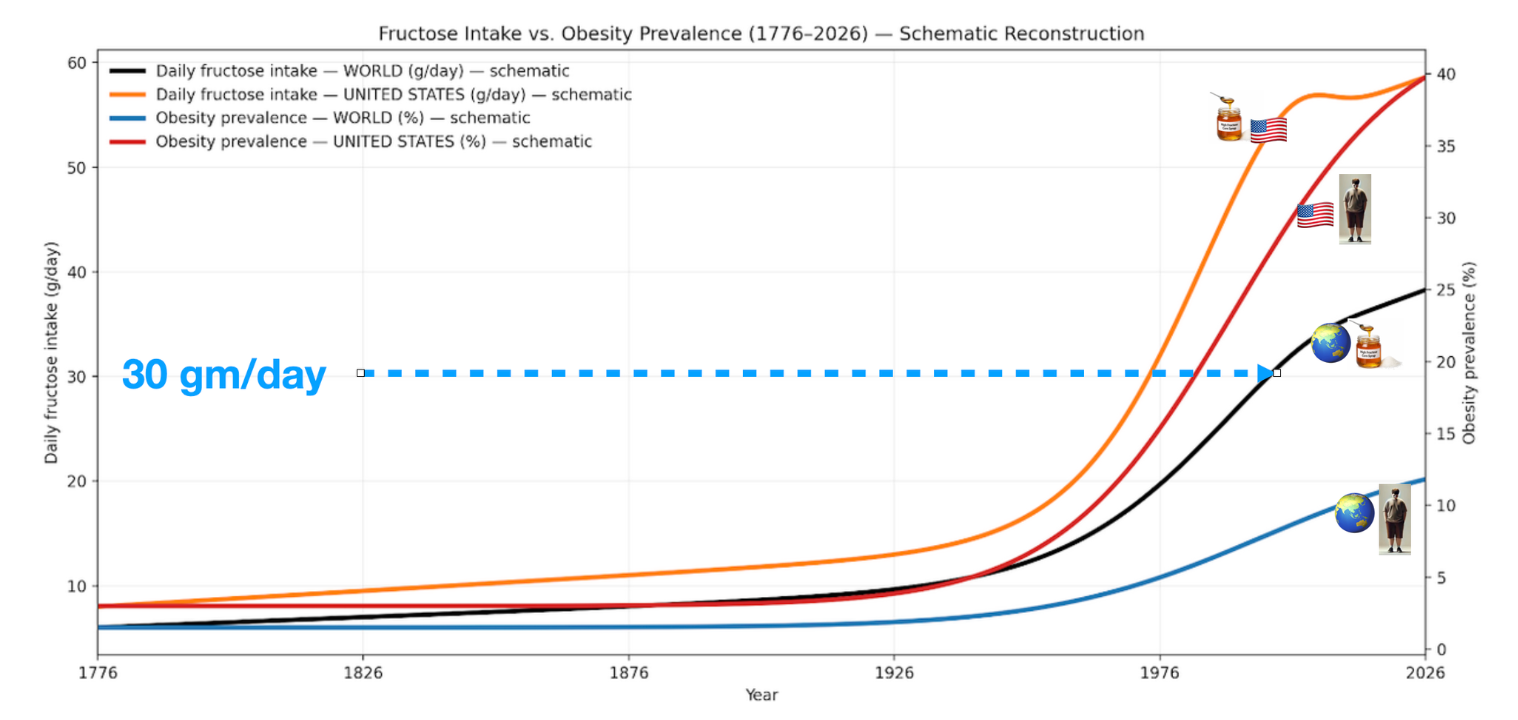
Chronic diseases such as cardiovascular disease, type 2 diabetes, obesity, and fatty liver disease have increased dramatically in many parts of the world over the past several decades.
These conditions now account for a large proportion of global illness and mortality. Although genetics influence susceptibility to disease, the rapid rise of these conditions suggests that environmental factors also play an important role.
Researchers studying global health often examine how changes in lifestyle, diet, and metabolic environments contribute to the increasing prevalence of chronic disease.
Lifestyle and Urbanization
Urbanization has changed how many people live and work.
In many countries, modern occupations involve less physical activity than traditional agricultural work. Sedentary lifestyles combined with increased caloric intake may contribute to weight gain and metabolic disturbances.
Changes in sleep patterns, stress levels, and daily routines may also influence metabolic regulation.
Dietary Changes
Changes in the global food supply have also influenced dietary patterns.
Many modern diets include greater amounts of:
• refined carbohydrates
• added sugars
• ultra-processed foods
• energy-dense products
These dietary patterns differ significantly from many traditional diets that emphasized minimally processed foods.
Metabolic Disease Clusters
Chronic diseases often occur together rather than appearing independently.
For example, individuals with obesity frequently develop insulin resistance, dyslipidemia, and hypertension. These conditions together form the cluster known as metabolic syndrome.
Because these metabolic disturbances interact with each other, they often contribute to the development of multiple diseases simultaneously.
Aging Populations
In some regions, longer life expectancy has also contributed to increased prevalence of chronic diseases.
As populations age, conditions such as cardiovascular disease and diabetes become more common. However, the rapid increase in metabolic disorders suggests that environmental changes are also playing an important role.
A Systems Perspective
Chronic diseases reflect complex interactions between metabolism, lifestyle, environment, and genetic susceptibility.
Understanding these interactions requires examining how modern environments influence metabolic physiology.
By studying these relationships, researchers aim to better understand the biological and environmental factors that shape global health.