MASLD Screening and Diagnosis
Introduction
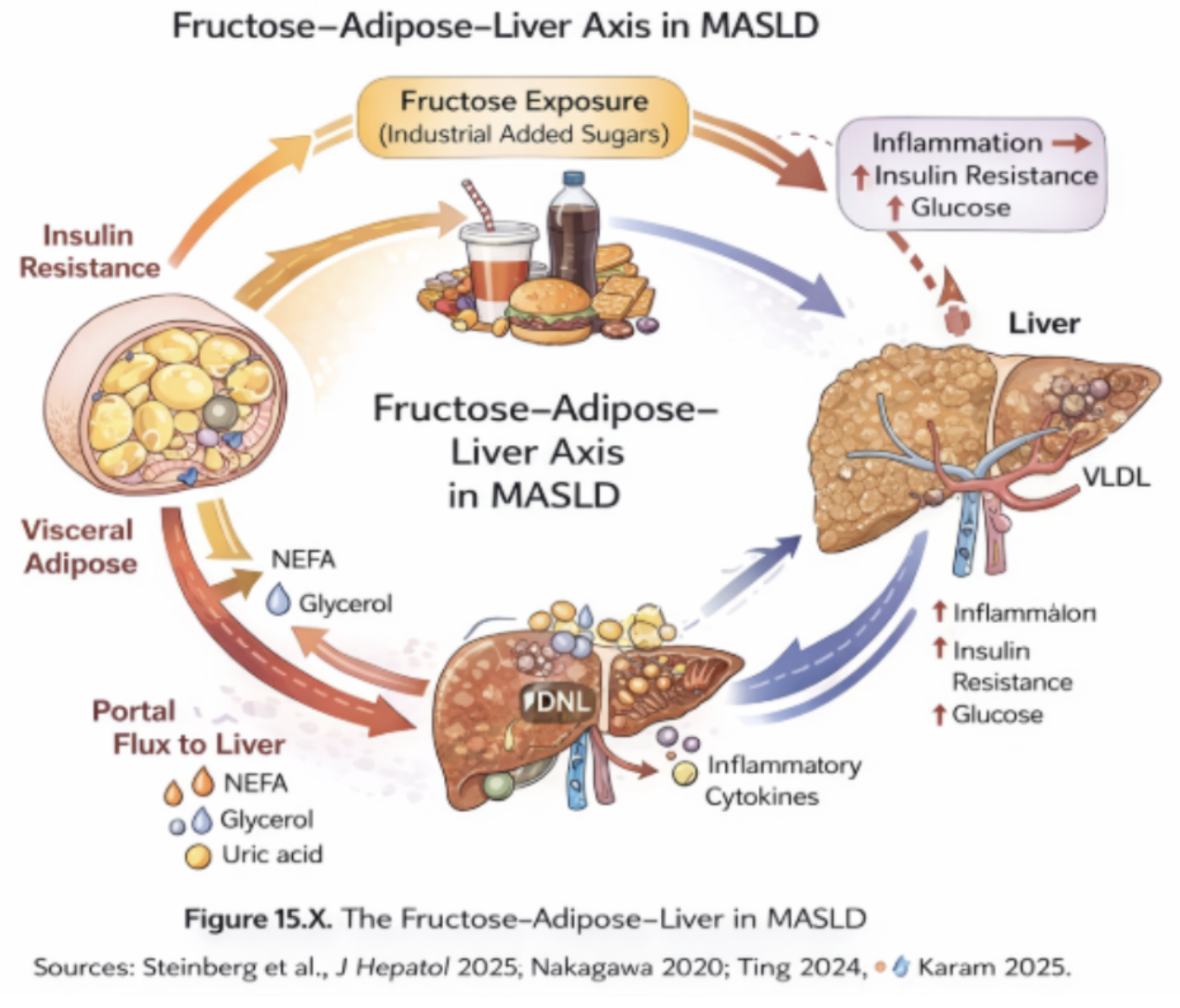
Metabolic dysfunction–associated steatotic liver disease (MASLD) is one of the most common liver disorders worldwide. The condition occurs when fat accumulates within liver cells in individuals with metabolic risk factors such as obesity, insulin resistance, type 2 diabetes, or dyslipidemia.
Because MASLD often develops silently and produces few early symptoms, it frequently goes undetected until routine imaging or laboratory testing reveals evidence of liver steatosis.
Early identification of MASLD is important because the condition is closely associated with metabolic syndrome, cardiovascular disease, and progression to more advanced liver injury in some individuals.
For this reason, clinicians increasingly view MASLD not only as a liver disorder but also as a marker of systemic metabolic dysfunction.
What Is Hepatic Steatosis?
The defining feature of MASLD is hepatic steatosis, or the accumulation of triglycerides within liver cells.
Small amounts of fat are normally present in the liver as part of regular metabolic activity. However, when lipid accumulation exceeds normal levels—typically defined as fat involving more than approximately five percent of liver tissue—hepatic steatosis is considered present.
This accumulation reflects an imbalance between lipid production, lipid oxidation, and lipid export from the liver.
Metabolic Risk Factors
MASLD usually occurs in the presence of underlying metabolic risk factors. These commonly include:
• obesity or excess body weight
• visceral adiposity
• insulin resistance or type 2 diabetes
• elevated triglycerides
• reduced HDL cholesterol
• hypertension
Because these conditions often appear together, MASLD is frequently considered part of the broader spectrum of metabolic syndrome.
Why Screening Matters
MASLD is often discovered incidentally because most individuals experience few symptoms during early stages of the disease.
However, identifying the condition can provide valuable insight into metabolic health. Liver fat accumulation often reflects broader disturbances in energy metabolism and insulin signaling.
In addition, a subset of individuals with MASLD may progress to more advanced stages of liver injury over time.
Early recognition allows clinicians to address the metabolic factors contributing to the disease before complications develop.
Initial Clinical Evaluation
Evaluation for MASLD typically begins with a clinical assessment of metabolic risk factors.
Clinicians often review:
• body weight and waist circumference
• history of diabetes or insulin resistance
• blood lipid levels
• blood pressure
• lifestyle and dietary patterns
Routine laboratory testing may include measurements of liver enzymes such as alanine aminotransferase (ALT) and aspartate aminotransferase (AST). Although these markers can provide useful information, they may remain normal even when liver fat is present.
For this reason, normal liver enzymes do not exclude MASLD.
Imaging Techniques
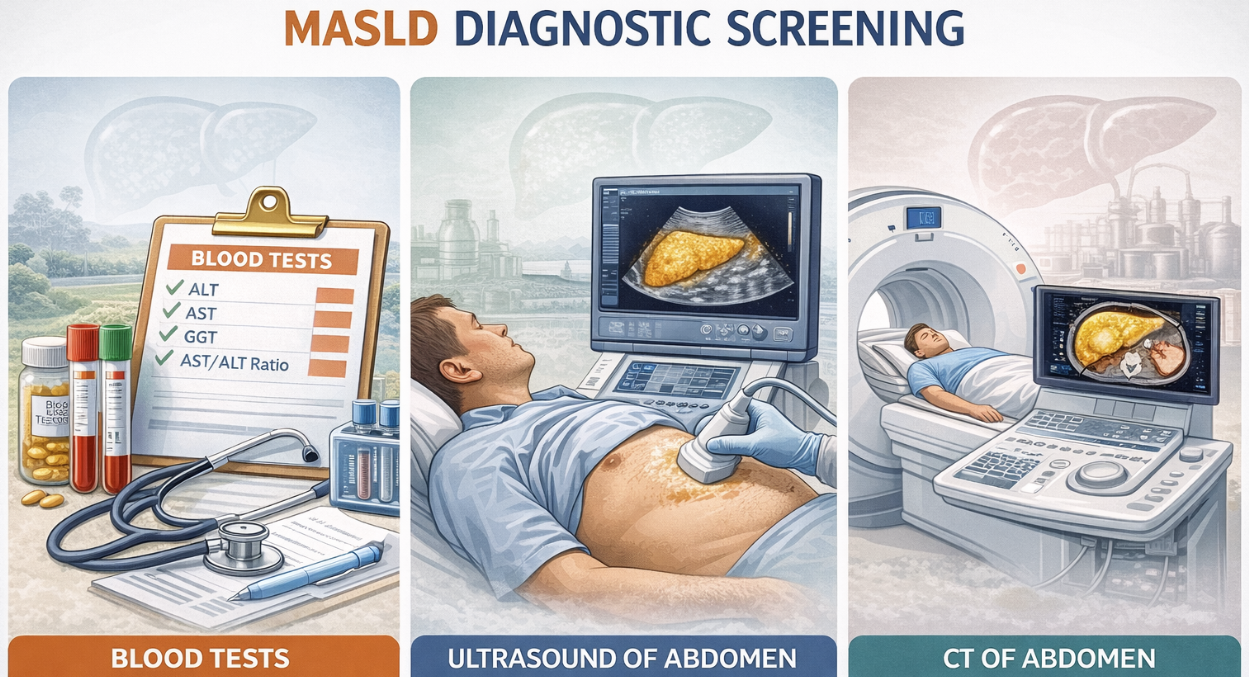
Imaging studies are commonly used to detect liver fat.
Several imaging modalities may be employed:
• ultrasound, which can identify moderate or severe steatosis
• computed tomography (CT) scans, which can estimate liver fat content
• magnetic resonance imaging (MRI), which provides more precise quantification of hepatic fat
Among these methods, ultrasound is often used as an initial screening tool because it is widely available and relatively inexpensive.
Assessing Liver Fibrosis
Although many individuals with MASLD have relatively stable liver disease, some may develop progressive fibrosis.
Fibrosis refers to the formation of scar tissue within the liver. Over time, advanced fibrosis can progress to cirrhosis and impaired liver function.
To evaluate fibrosis risk, clinicians may use non-invasive scoring systems such as:
• FIB-4 index
• NAFLD fibrosis score
• imaging techniques such as transient elastography
These methods help identify individuals who may benefit from further specialist evaluation.
Cardiometabolic Risk
An important aspect of MASLD is its strong association with cardiovascular disease.
Many individuals with fatty liver disease also have metabolic abnormalities that increase the risk of coronary artery disease and other vascular complications.
In fact, cardiovascular disease is often the leading cause of mortality among individuals with MASLD.
For this reason, evaluation of liver fat should be accompanied by assessment of broader cardiometabolic risk factors.
Management Principles
Management of MASLD focuses primarily on addressing the underlying metabolic disturbances.
Strategies commonly include:
• weight reduction when appropriate
• improved dietary patterns
• increased physical activity
• management of diabetes and dyslipidemia
• reduction of visceral adiposity
These interventions can improve metabolic health and may reduce liver fat accumulation.
Related Topics
Readers interested in the metabolic processes associated with MASLD may also explore:
• Fatty Liver Disease (MASLD)
• Insulin Resistance
• De Novo Lipogenesis
• Metabolic Syndrome
These pages examine the biological mechanisms contributing to hepatic fat accumulation.