The Core Principle
Bread is not defined by wheat—it is defined by processing and structure.
👉 The key question: Does this bread still resemble a grain, or has it been reduced to fast-absorbing starch?
Safe Bread Patterns (Traditional, Structured)
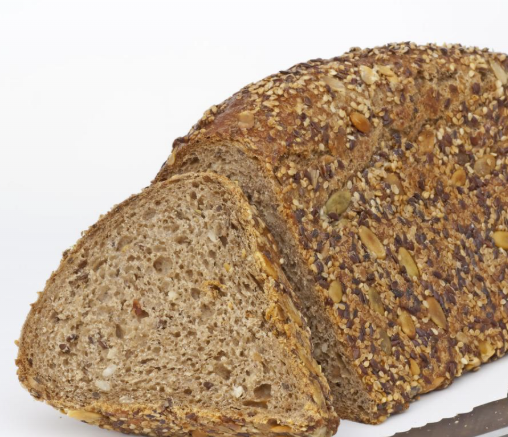
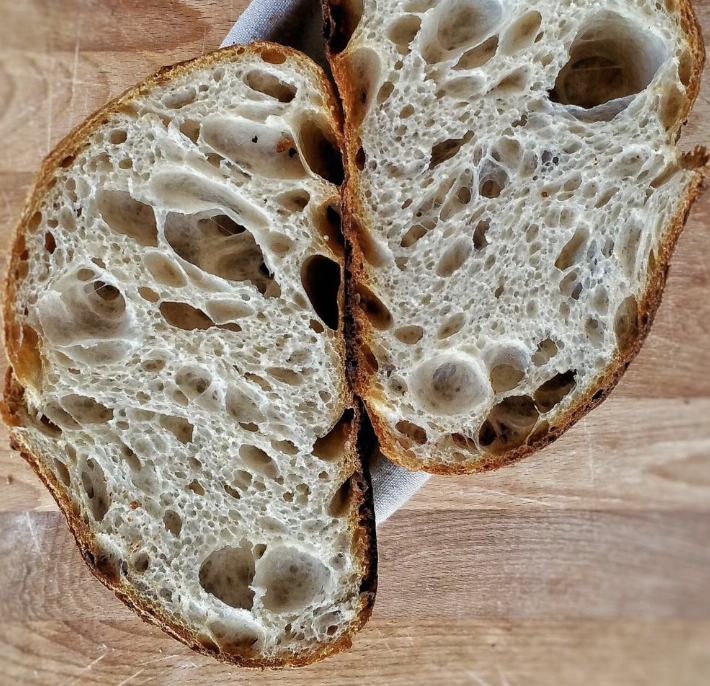
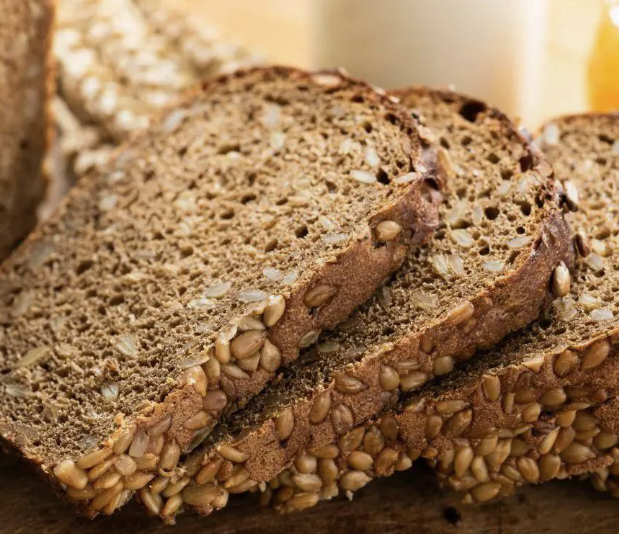
Examples:
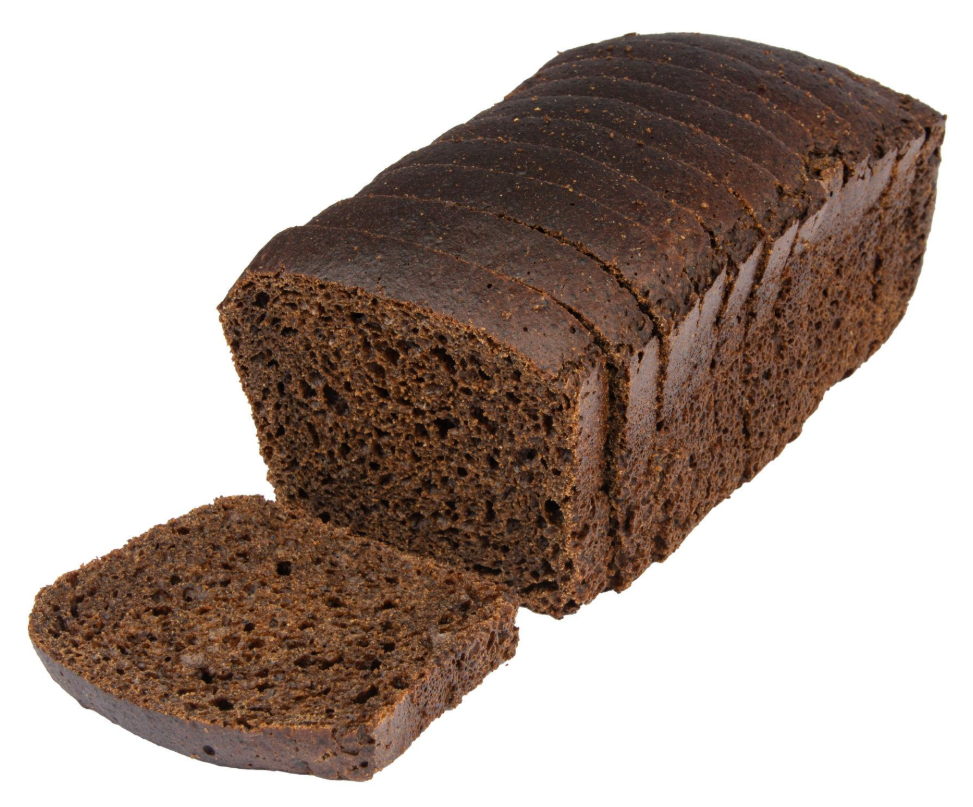
- Dense rye bread
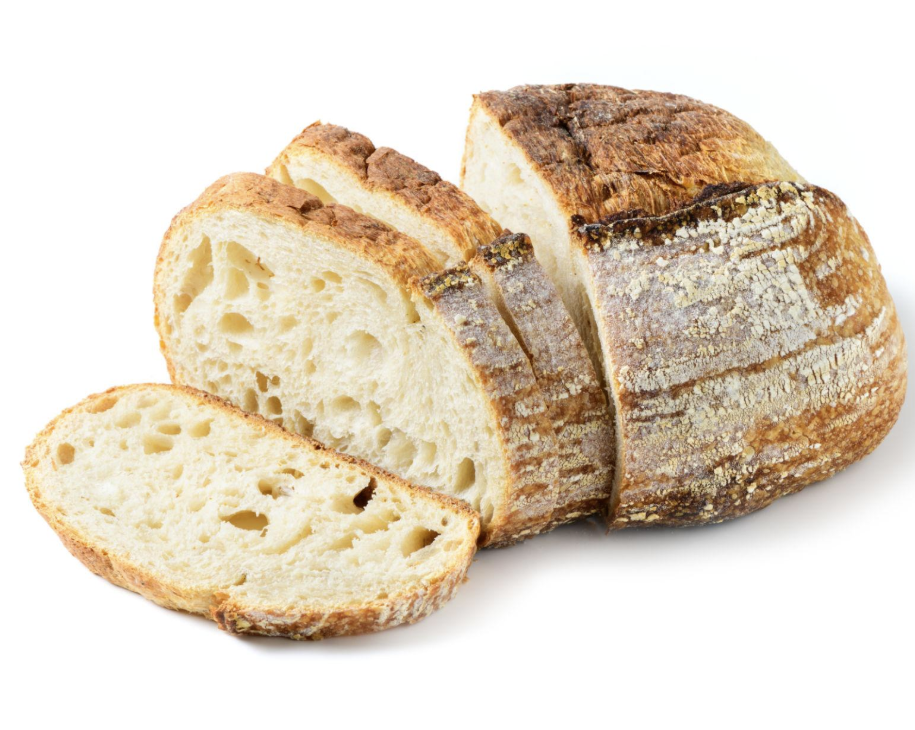
- Sourdough bread
- Whole grain / seeded bread
- Sprouted grain bread
Why they are safer:
- Intact or partially intact grain structure
- Slower digestion
- Often fermented (sourdough)
- Lower glycemic response
Clinical note:
Sourdough fermentation can reduce glycemic impact and improve tolerance.
Dangerous Bread Patterns (Modern, Refined)
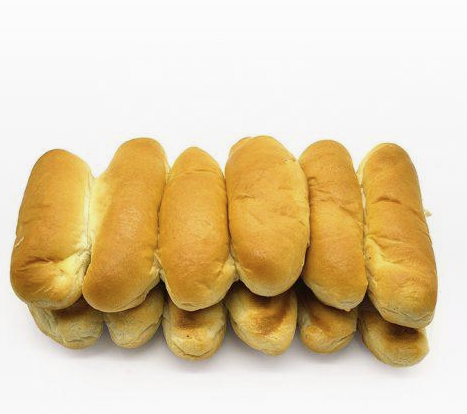


Examples:
- Hot dog buns
- Hamburger buns
- Hot dog buns
- Soft commercial loaves
Why they are dangerous:
- Finely milled flour
- Loss of fiber structure
- Rapid digestion → high glucose spike
- Highly palatable → overconsumption
The Processing Spectrum
| Bread Type | Structure | Glycemic Impact |
|---|---|---|
| Whole grain kernels | Intact | Low |
| Dense rye / sourdough | Semi-intact | Lower |
| Whole wheat bread | Processed flour | Moderate |
| White bread | Refined flour | High |
The “Whole Wheat” Label Trap
Many “whole wheat” breads:
- Use finely milled flour
- Have similar glycemic impact to white bread
- Add sugars or conditioners
Bread vs Blood Sugar Curve
Not all bread produces the same metabolic response.
A slice of soft white bread is digested rapidly and can drive a sharp glucose spike. Fermented sourdough and dense rye typically produce a flatter, slower curve. The difference is not just ingredients—it is structure, fermentation, and starch accessibility.

Texture as a Clinical Clue
- Dense, chewy → slower absorption
- Soft, fluffy → rapid absorption
If it is dense, chewy, dark, and fermented, expect a slower response.
| Bread Type | Typical Glucose Pattern | Clinical Meaning |
|---|---|---|
| White bread | Rapid rise, high peak, faster drop | Highest glycemic stress |
| Sourdough | Moderate rise, lower peak, steadier decline | Improved metabolic profile |
| Dense rye | Slow rise, lowest peak, flattest curve | Most stable glucose response |
Practical Upgrade Strategy
| Replace This | With This |
|---|---|
| White sandwich bread | Dense rye / sourdough |
| Hamburger buns | Whole grain or lettuce wrap |
| Sweetened breads | Unsweetened traditional breads |
| Refined flour products | Intact grain or sprouted breads |
Clinical Pearl
Bread is one of the most efficient glucose delivery systems in the modern diet—
especially when made from refined flour.
Bottom Line
Safe bread:
- Dense
- Structured
- Often fermented
- Minimally processed
Dangerous bread:
- Soft
- Refined
- Rapidly absorbed
👉 Choose bread that still behaves like a grain—not like powder reassembled.