The Core Principle
Not all carbohydrates are harmful.
Safe starches are defined by:
- Intact structure
- Minimal processing
- Slower digestion
- Traditional human use
👉 The key variable is structure, not just carbohydrate content.
Category 1 — Root and Tuber Starches


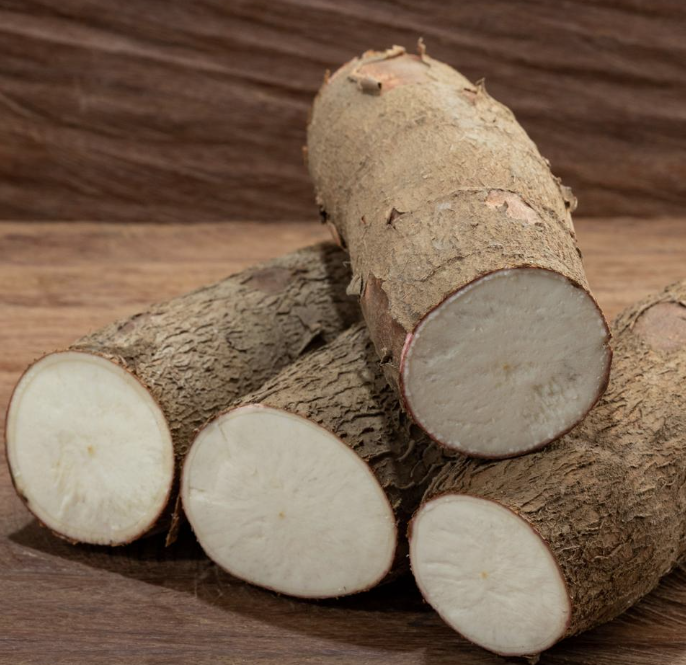
Examples:
- Potato
- Sweet potato
- Taro
- Yam
- Cassava (whole form)
Why they are safe:
- Intact cellular matrix
- Naturally packaged starch
- Slower digestion than processed equivalents
Clinical note:
Cooling after cooking increases resistant starch, improving metabolic response.
Category 2 — Whole Grains (Minimally Processed)
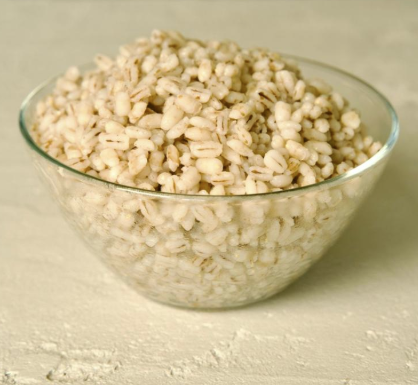
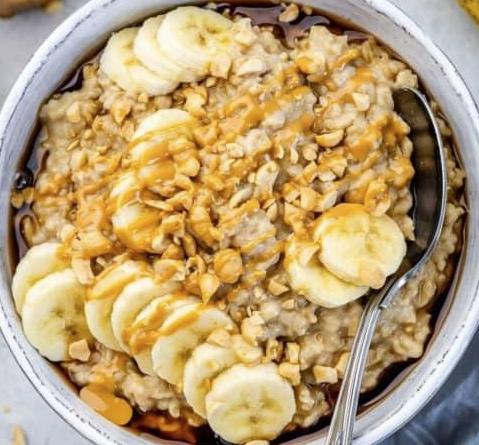
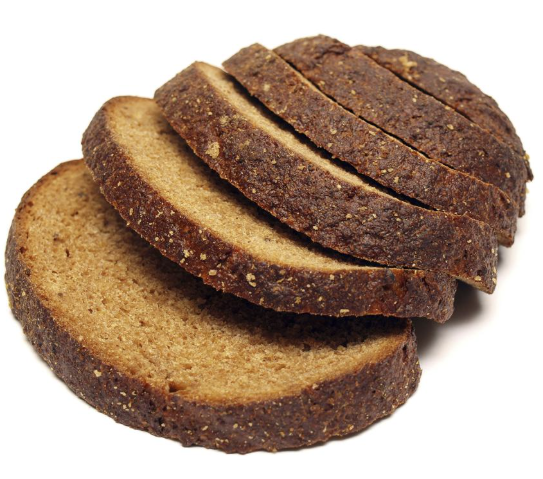
Examples:
- Rye (dense, traditional breads)
- Steel-cut oats
- Barley
- Quinoa
- Millet
Why they are safe:
- Higher fiber
- Slower glucose absorption
- Often fermented or traditionally prepared
Important distinction:
Whole grain ≠ processed grain
👉 Steel-cut oats ≠ instant oats
Category 3 — Legumes (The Most Metabolically Stable Starch)
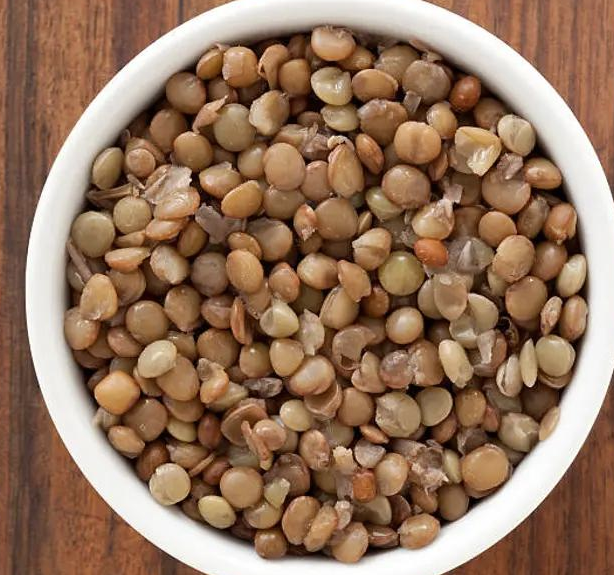
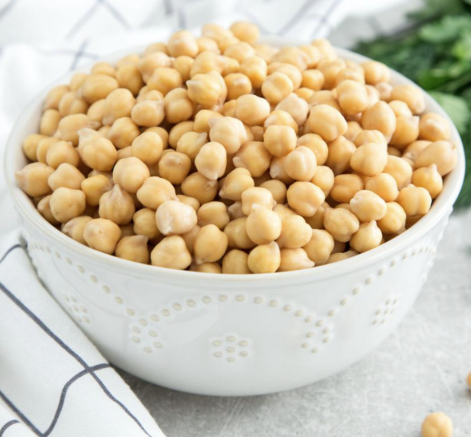
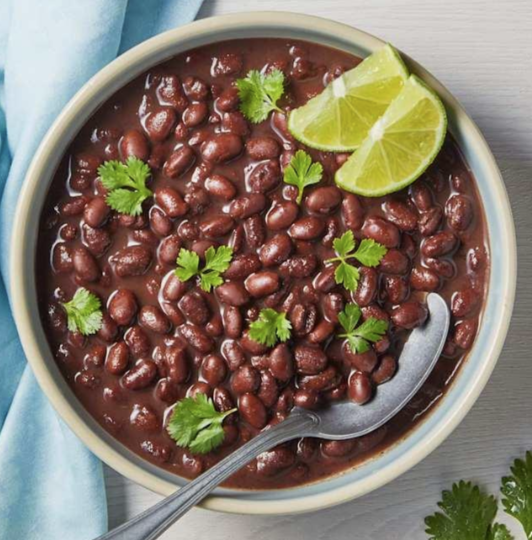
Examples:
- Lentils
- Chickpeas
- Black beans
- Mung beans
- Split peas
Why they are safe:
- High fiber + protein
- Very low glycemic response
- Strong satiety
👉 Among the most metabolically protective carbohydrate sources
Category 4 — Lower-Glycemic Rice Options
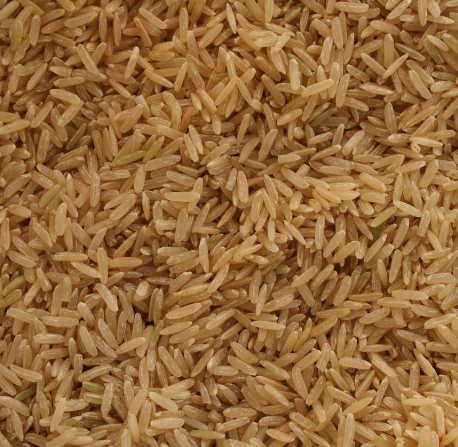
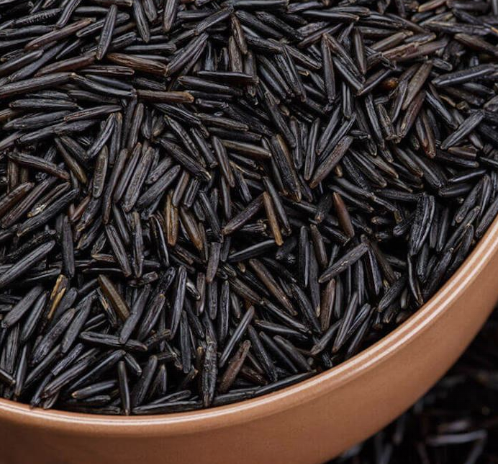
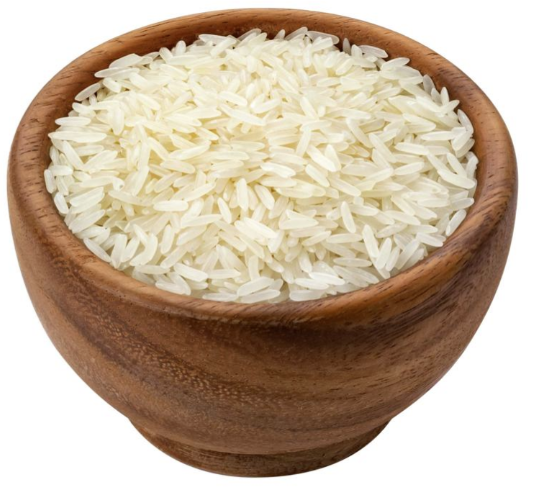
Better choices:
- Basmati rice
- Parboiled rice
- Wild rice
Use with awareness:
- Brown rice (variable)
Avoid frequent use:
- Jasmine rice
- Sticky rice
- Instant rice
- Congee
What Makes a Starch “Unsafe”?
The shift from safe → dangerous occurs when:
- Structure is destroyed (milling, extrusion)
- Starch is pre-digested (instant foods)
- Sugar is added
- Texture becomes soft, smooth, or highly processed
👉 Processing converts slow starch → fast glucose
Practical Upgrade Strategy
| Replace This | With This |
|---|---|
| White bread | Rye / whole grain |
| Instant oats | Steel-cut oats |
| Instant rice | Basmati / parboiled |
| Processed snacks | Legumes / nuts |
| Sugary cereal | Traditional grains |
Clinical Pearl
Populations consuming traditional starches—roots, legumes, intact grains—
had low rates of metabolic disease
until processed carbohydrates entered the food supply.
Bottom Line
Safe starches are not about eliminating carbohydrates.
They are about:
- Preserving structure
- Minimizing processing
- Respecting traditional food patterns
👉 Choose foods that still resemble their original biological form.
Suggested Internal Links
- Dangerous Starches
- Glycemic Index vs Load
- Rice Glycemic Index, Safe vs Dangerous
- Metabolic Disease
- Ancestral Diets