Introduction: From Rare Treat to Industrialization
For most of human history, exposure to sugar was rare.
Sweetness came from whole foods such as fruit and honey, consumed in modest quantities and accompanied by fiber, water, and nutrients. Refined sugar existed, but it was limited, expensive, and not a staple of the diet.
Over time, changes in agriculture, trade, and food production transformed sugar from a luxury into a common ingredient. By the late twentieth century, the conditions were in place for a much larger shift.
Early sugar use
Refined sugar first appeared through sugarcane cultivation in South and Southeast Asia.
Knowledge of sugar extraction spread through trade to the Middle East and Europe. Even as production expanded, sugar remained relatively expensive and was consumed primarily by wealthier populations.
For most people, sweetness was still occasional.
Expansion of production
Sugar production increased during the early modern period with the expansion of plantation agriculture in tropical regions.
Later, sugar beet processing further increased global supply.
As supply increased:
- prices declined
- access widened
- sugar became more commonly consumed
This marked the transition from rarity to routine use.
The industrial food transition
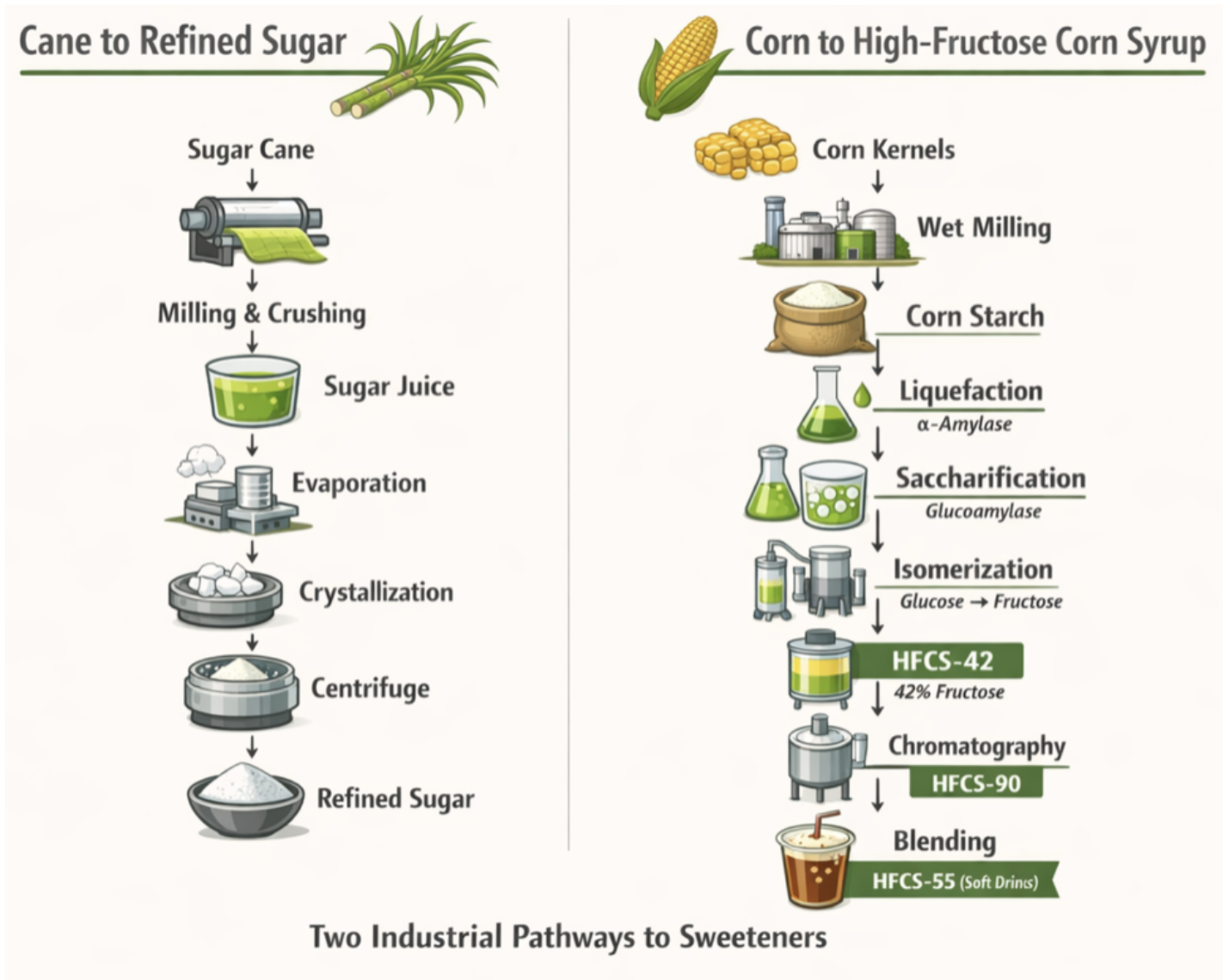
The twentieth century transformed sugar’s role in the diet.
Industrial processing allowed:
- removal of fiber and structure from grains
- production of refined flour and starches
- large-scale manufacturing of packaged foods
Sugar became integrated into:
- processed foods
- snacks
- desserts
- prepared meals
Consumption increased not only in amount, but in frequency.
The scientific debate
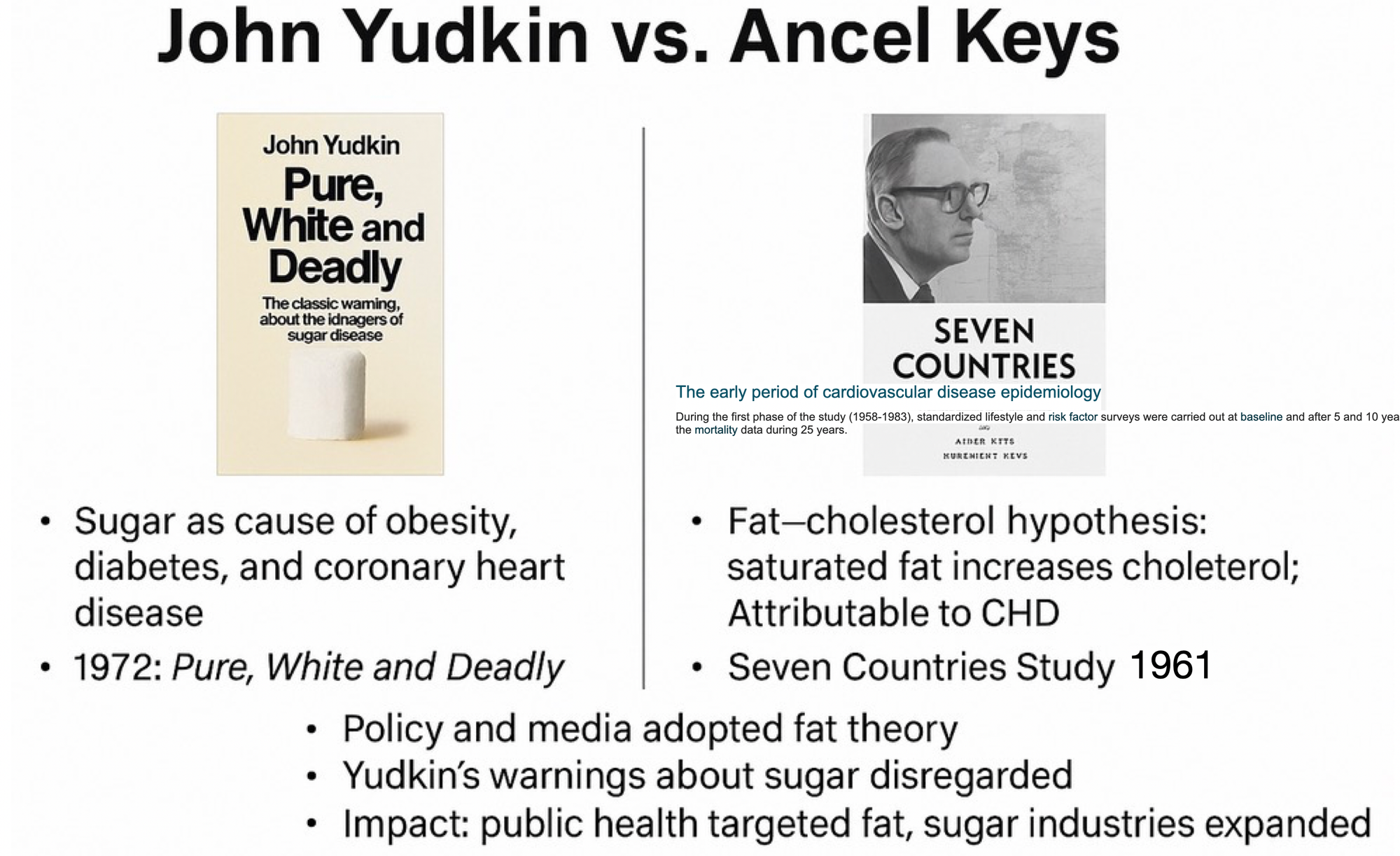
In the mid-twentieth century, researchers debated the causes of metabolic disease. The impetus for this was a heart attack suffered by President Eisenhower. The only significant study was an observational study by Dr Ancel Keys, with methodology that would not meet 21st Century standards, but at the time, it was the best methodology available. Media paid more attention to Keys than to Yudkin.
John Yudkin
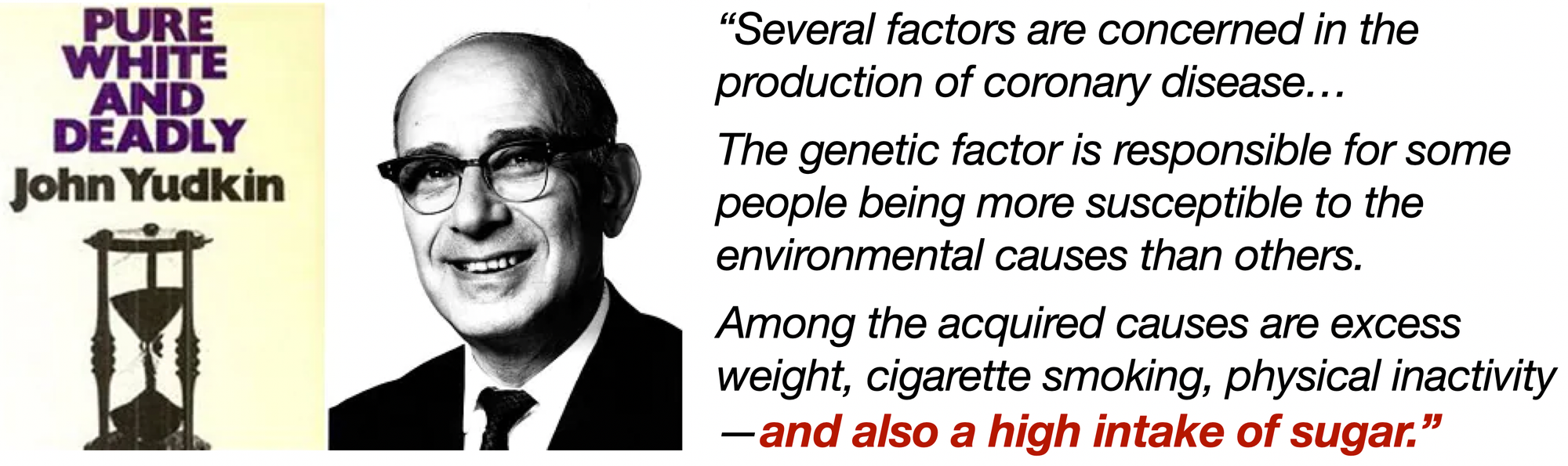
John Yudkin proposed that sugar played a central role in obesity, diabetes and cardiovascular disease. His work emphasized the metabolic effects of sugar rather than fat. However, scientific and public health focus, especially in the United States, remained on dietary fat, and sugar remained widely accepted in the food supply. A second edition of his book is available on Amazon.
The economic setup for change
By the 1970s, several structural forces were already reshaping the food system.
Agricultural policy—particularly in the United States—encouraged large-scale corn production. At the same time, sugar tariffs kept cane sugar relatively expensive.
This created the conditions for the development of alternative sweeteners derived from corn.
At this stage, the system had:
- abundant processed foods
- increasing sugar consumption
- strong industrial food infrastructure
What it did not yet have was a low-cost, scalable liquid sweetener dominating the beverage supply.
Timeline (Pre-1984)
Early human diets
→ sweetness from fruit and honey
Ancient to medieval period
→ limited sugarcane production
1600s–1800s
→ plantation expansion and increased supply
1800s
→ sugar beet production increases availability
Early 1900s
→ industrial food processing expands
Mid-1900s
→ sugar widely incorporated into processed foods
1970s
→ agricultural policy increases corn production
The stage before the shift
By the early 1980s:
- sugar was widely available
- processed foods were common
- dietary patterns had shifted toward refined carbohydrates
- industrial food systems were fully established
The system was primed for change.
What followed was not just an increase in sugar, but a transformation in how sugar was delivered, consumed, and distributed globally.
Bottom line
Before 1984, sugar had already moved from rare to common.
However, the combination of industrial processing, agricultural policy, and emerging sweetener technologies created the conditions for a major inflection point.
The modern era of continuous, low-cost, liquid sugar exposure was about to begin.
Related pages
Industrial Fructose Era (Post-1984)
Safe Foods
Ultra-Processed Foods and the Modern Diet
Global Metabolic Crisis