The Core Problem
The issue is not “carbohydrates.”
The issue is how modern starches have been altered:
- Mechanically refined
- Structurally destroyed
- Rapidly absorbed
These foods behave less like traditional starches and more like glucose delivery systems.
Category 1 — Refined Flour Products
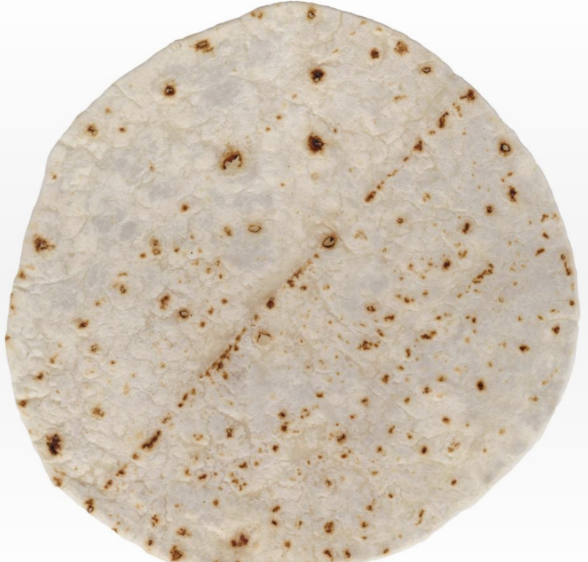
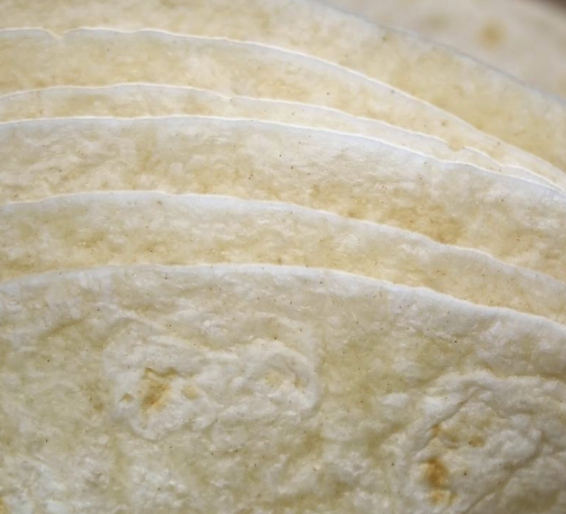
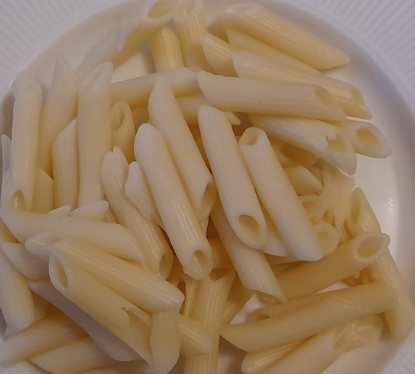
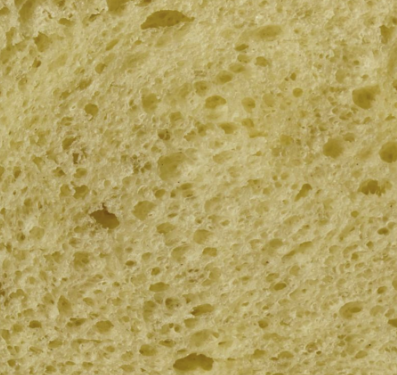
Examples:
- White bread
- Bagels
- White pasta
- Flour tortillas
- Crackers
Why they are dangerous:
- Fiber removed
- Structure pulverized
- Rapid digestion → high glycemic response
Clinical note:
Finely milled flour can produce glucose responses similar to sugar.
Category 2 — Instant and Highly Processed Grains

Examples:
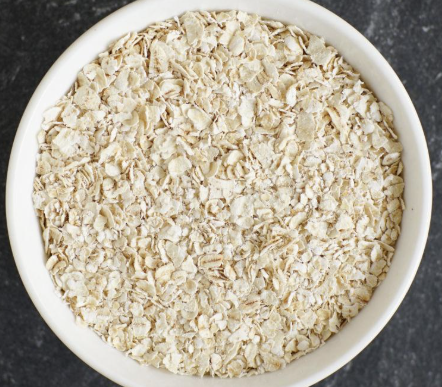
- Instant oatmeal
- Instant rice
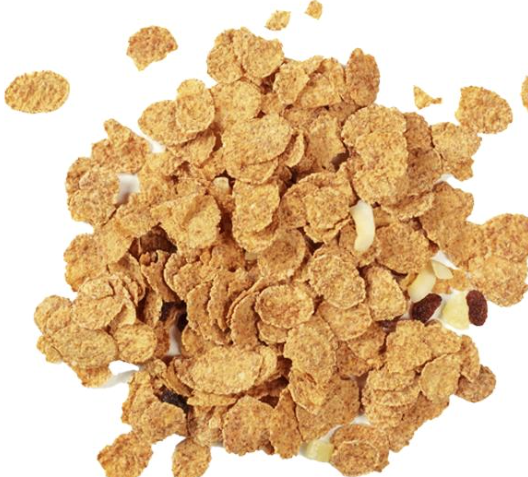
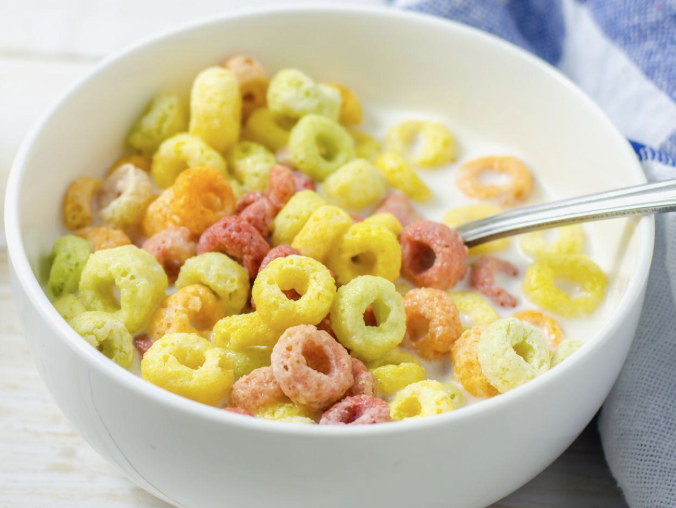
- Breakfast cereals, especially sweetened
- Quick-cook grains
Why they are dangerous:
- Pre-cooked and processed
- Starch already gelatinized
- Extremely rapid absorption
Why instant oatmeal belongs in this category
The issue is not added sugar. It’s processing and starch accessibility.
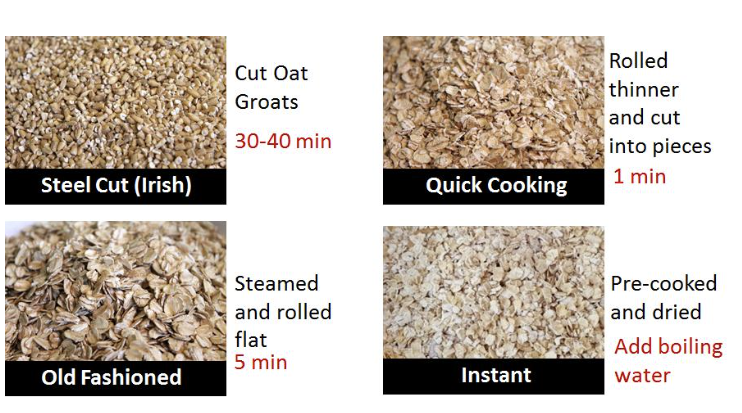
1) Particle size and structure
- Steel-cut oats → intact groats → slow digestion
- Rolled oats → flattened → moderate digestion
- Instant oats → pre-cooked, thin, fragmented → very rapid digestion
👉 The more the grain is broken down, the more surface area for enzymes.
2) Pre-gelatinization (the key step)
Instant oatmeal is:
- Pre-cooked (gelatinized)
- Then dried
So when you add hot water:
- Starch is already in an “open” state
- Digestion begins almost immediately
👉 Functionally closer to a rapid glucose source
3) Texture tells the story
- Chewy, intact oats → slower absorption
- Soft, smooth, “mushy” oats → faster absorption
👉 Texture is a clinical proxy for glycemic behavior
4) Glycemic impact (typical pattern)
- Steel-cut oats → low–moderate GI
- Rolled oats → moderate GI
- Instant oats → moderate–high GI
Even without sugar added.
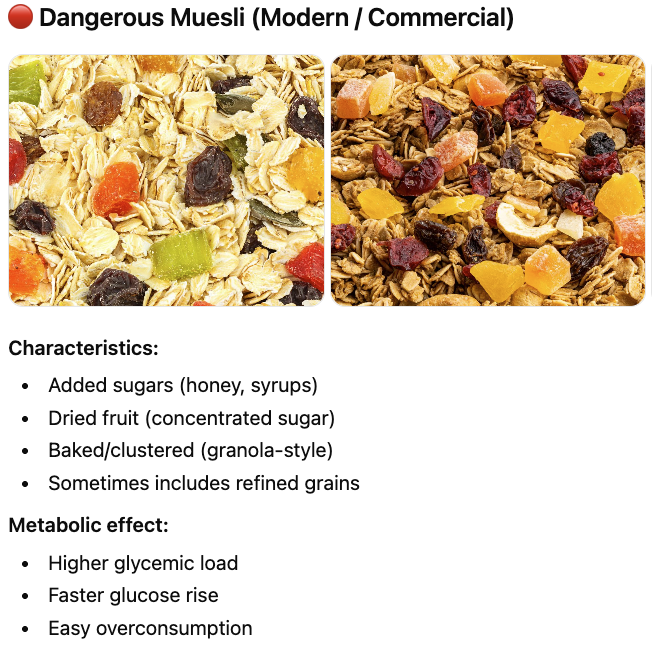
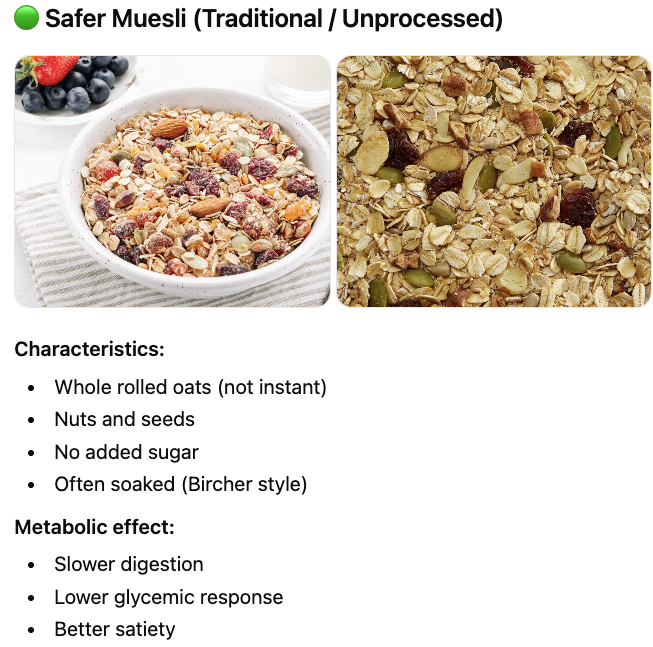
Where Muesli Fits
Category 3 — Snack Foods and Packaged Carbs

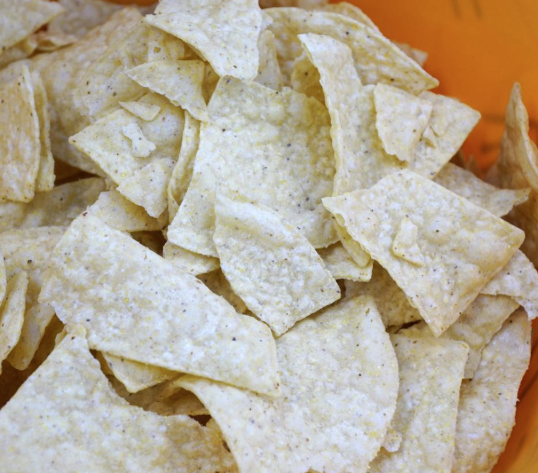
Examples:
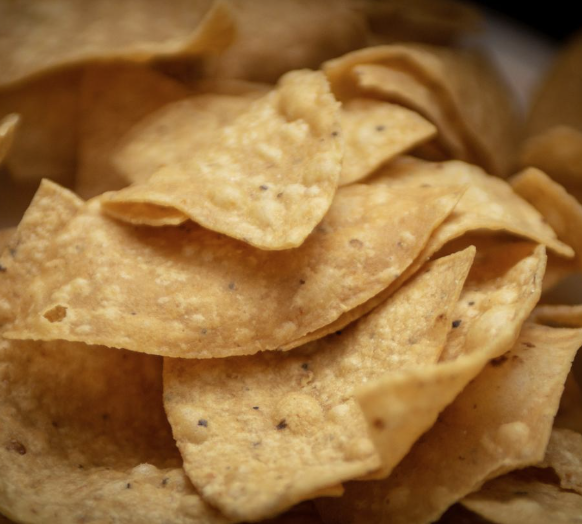
- Chips
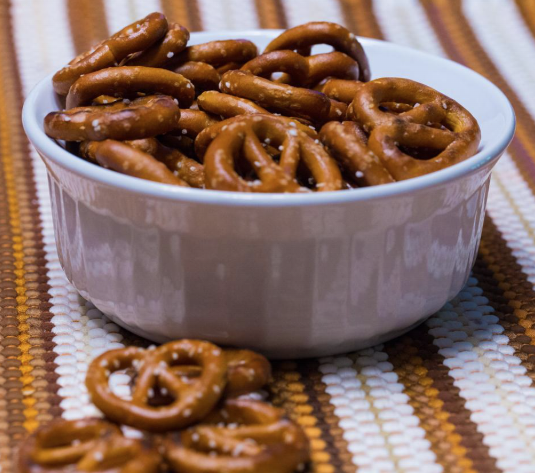
- Pretzels
- Processed crackers
- Corn snacks
Why they are dangerous:
- Refined starch + industrial processing
- Often combined with oils and salt
- Highly palatable → easy overconsumption
Category 4 — Sugar-Starch Combinations
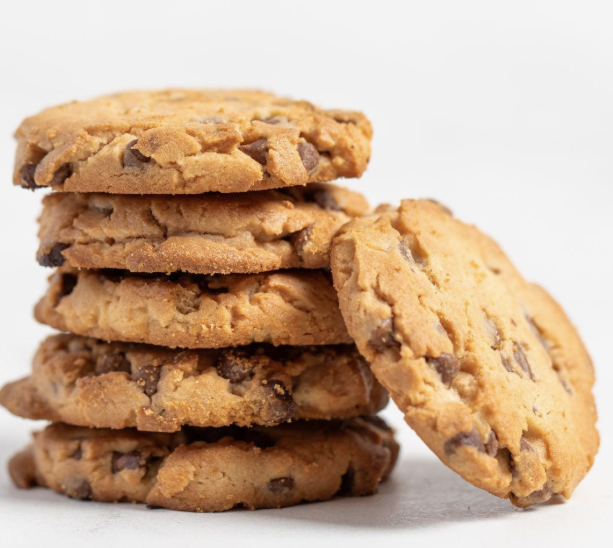


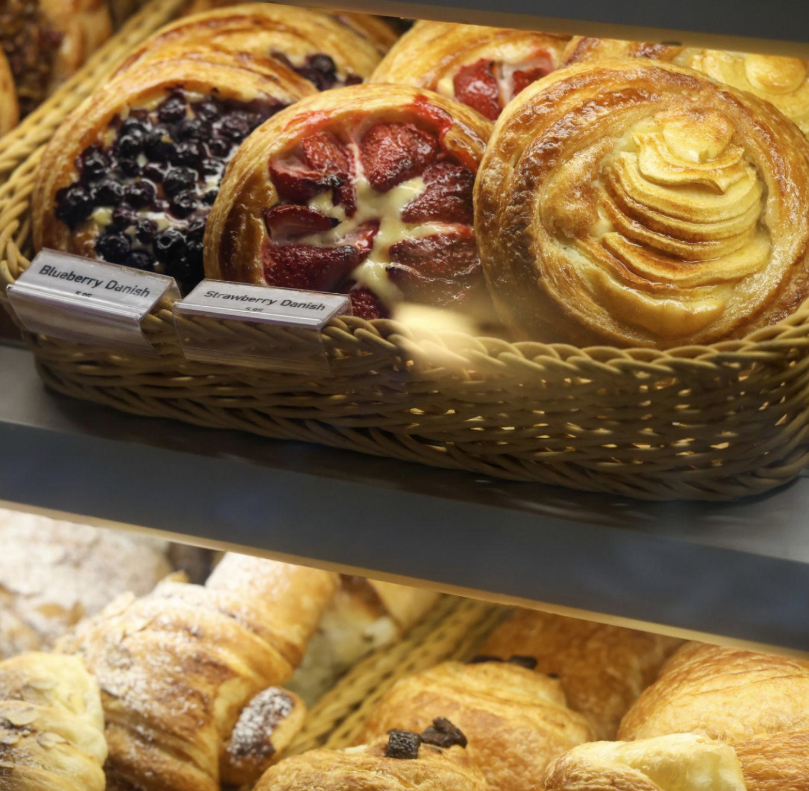
Examples:
- Pastries
- Donuts
- Cakes
- Cookies
Why they are dangerous:
- Combine rapid starch + added sugar
- Amplified insulin and metabolic stress
- Strong reward signaling → repeated exposure
What Actually Changed
Traditional starches:
- Intact
- Slowly digested
- Paired with fiber and nutrients
Modern starches:
- Pulverized into flour
- Reassembled into products
- Engineered for speed and taste
Metabolic Consequences
Frequent exposure to high-GI processed starches contributes to:
- Insulin resistance
- Central adiposity
- Fatty liver (MASLD)
- Type 2 diabetes
- Cardiovascular disease
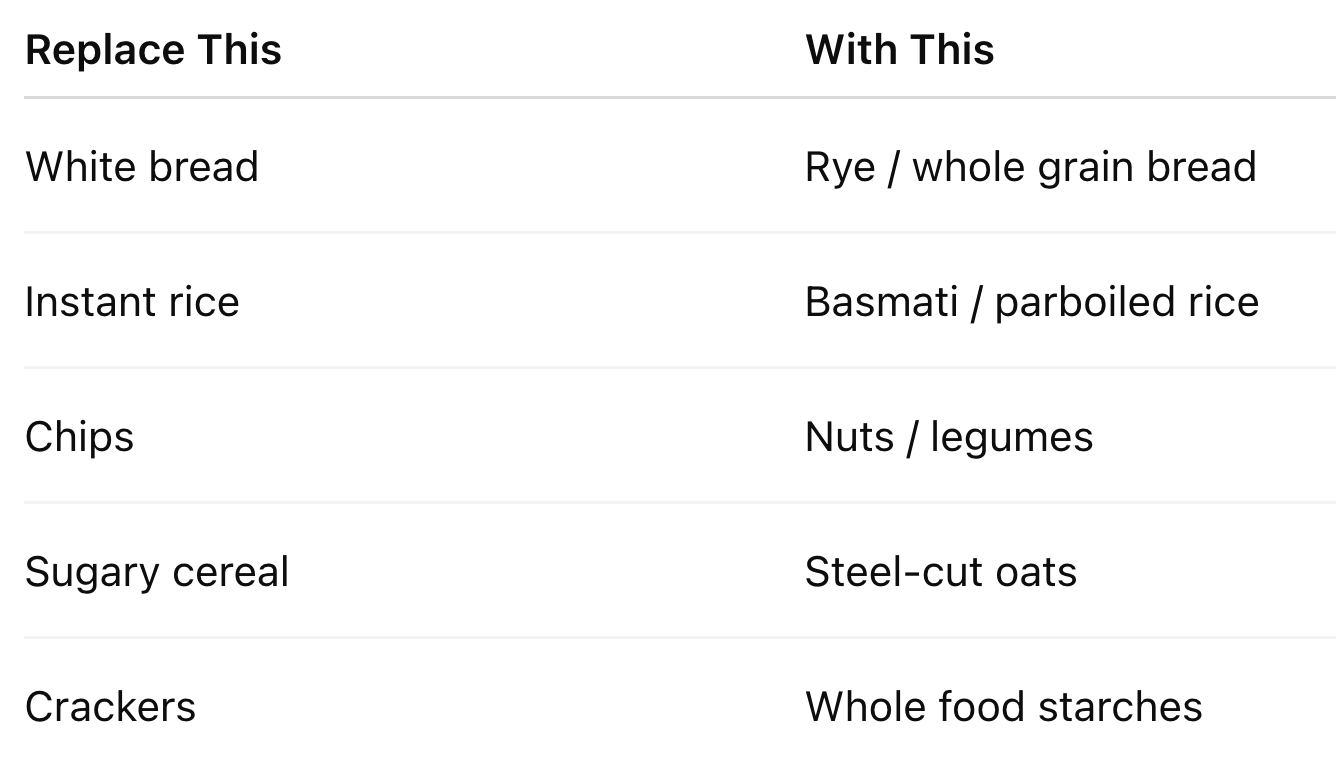
Practical Replacement Strategy
Do not eliminate—replace intelligently:
Clinical Pearl
The combination of refined starch + fructose
is one of the most powerful drivers of modern metabolic disease.
Bottom Line
Dangerous starches are defined by:
- Processing
- Speed of absorption
- Frequency of exposure
If it is:
- Powdered
- Packaged
- Ultra-soft or ultra-crispy
…it is likely metabolically unsafe.