Rice ranges from low Glycemic Index, GI (~48) to very high GI (~90+).
The difference is driven by starch structure (amylose vs amylopectin), processing, and cooking—not simply “white vs brown.”
The Core Rule
- High amylose → slower digestion → lower GI (safer)
- High amylopectin → rapid digestion → higher GI (riskier)
Sticky = risky. Firm, separate grains = safer.
Safest Rice (Lower Glycemic Impact)
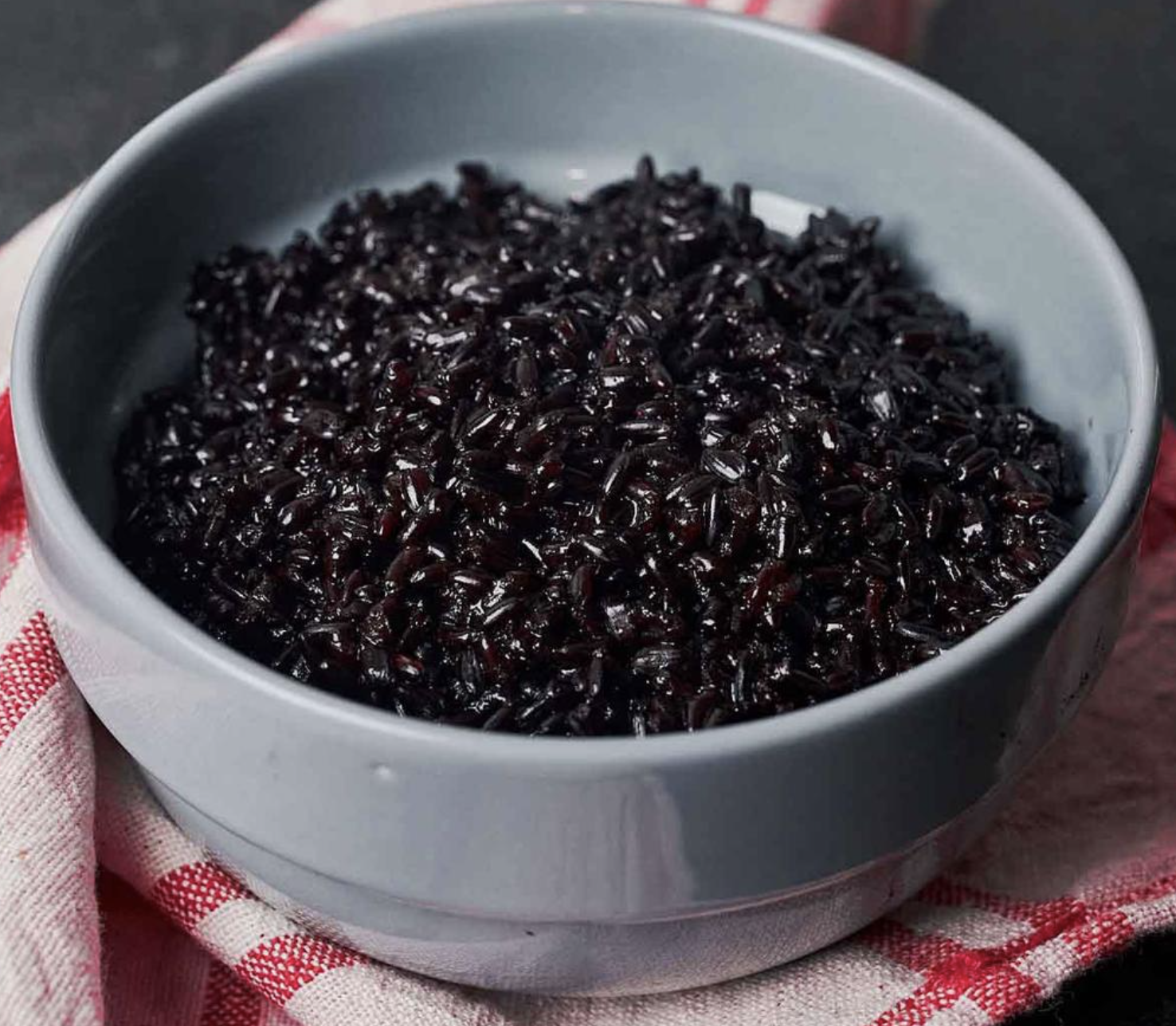
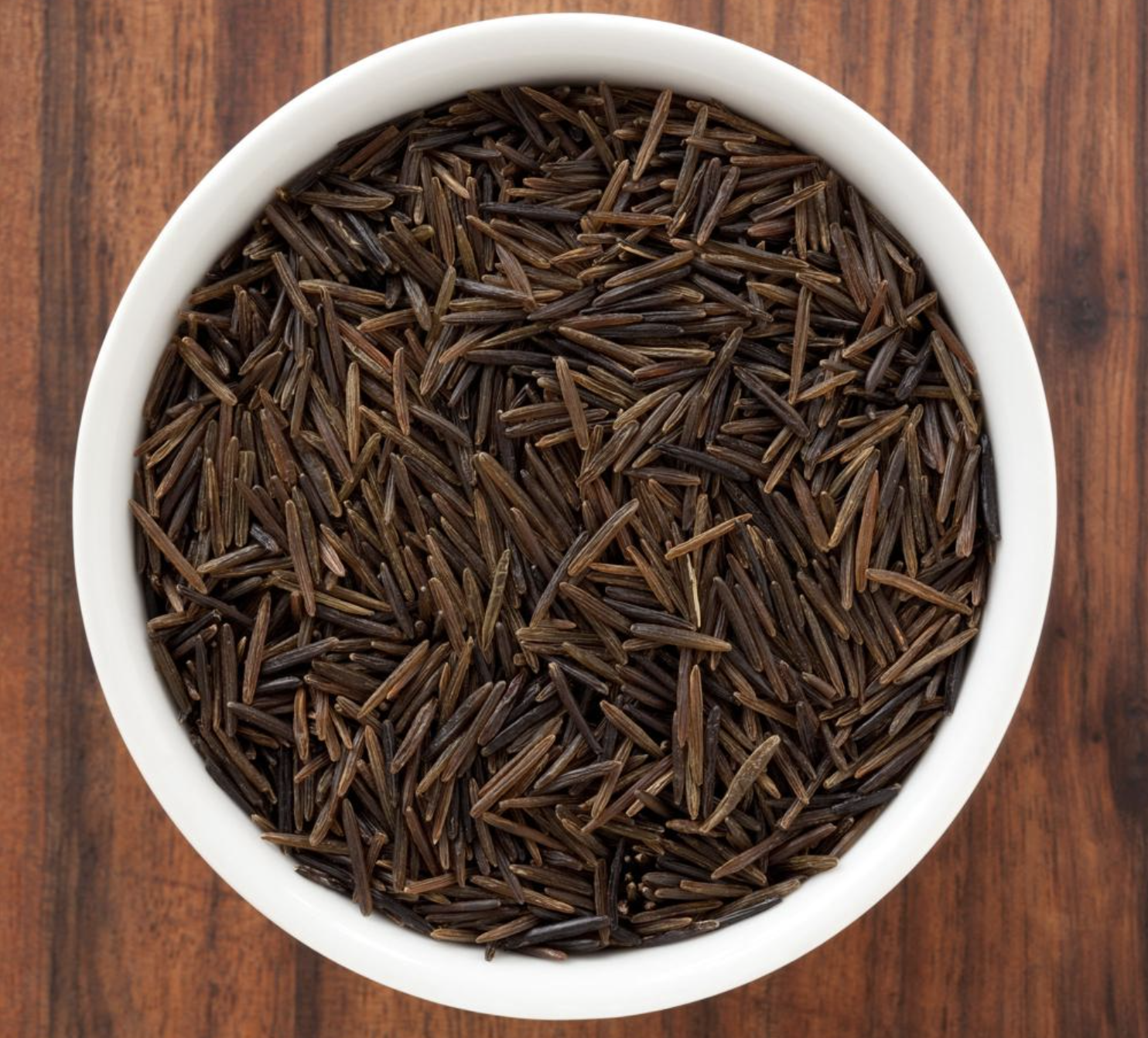
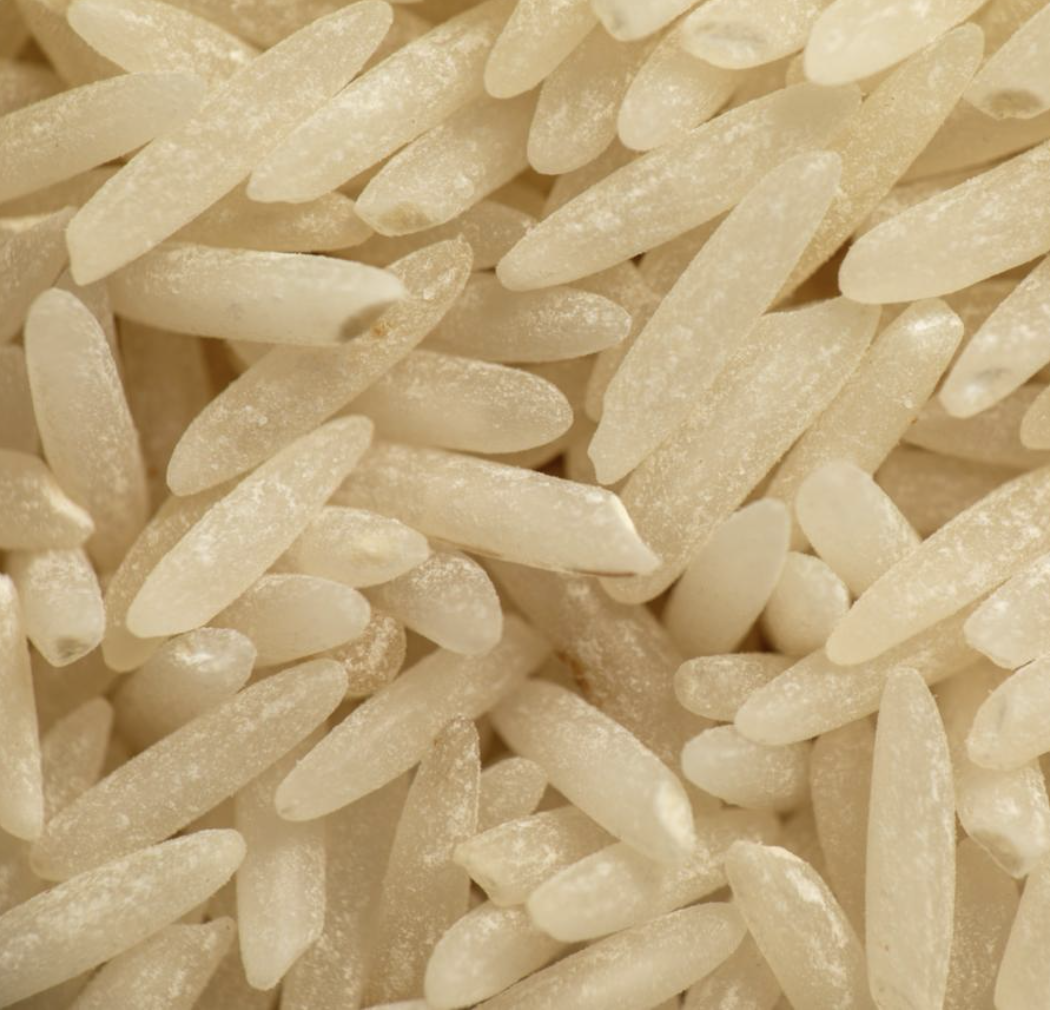
Safest Rice (Lower Glycemic Impact)
Best routine choices:
Why?:
- Higher amylose
- Less gelatinization
- Slower glucose release
The safest common rice choices
1) True basmati rice
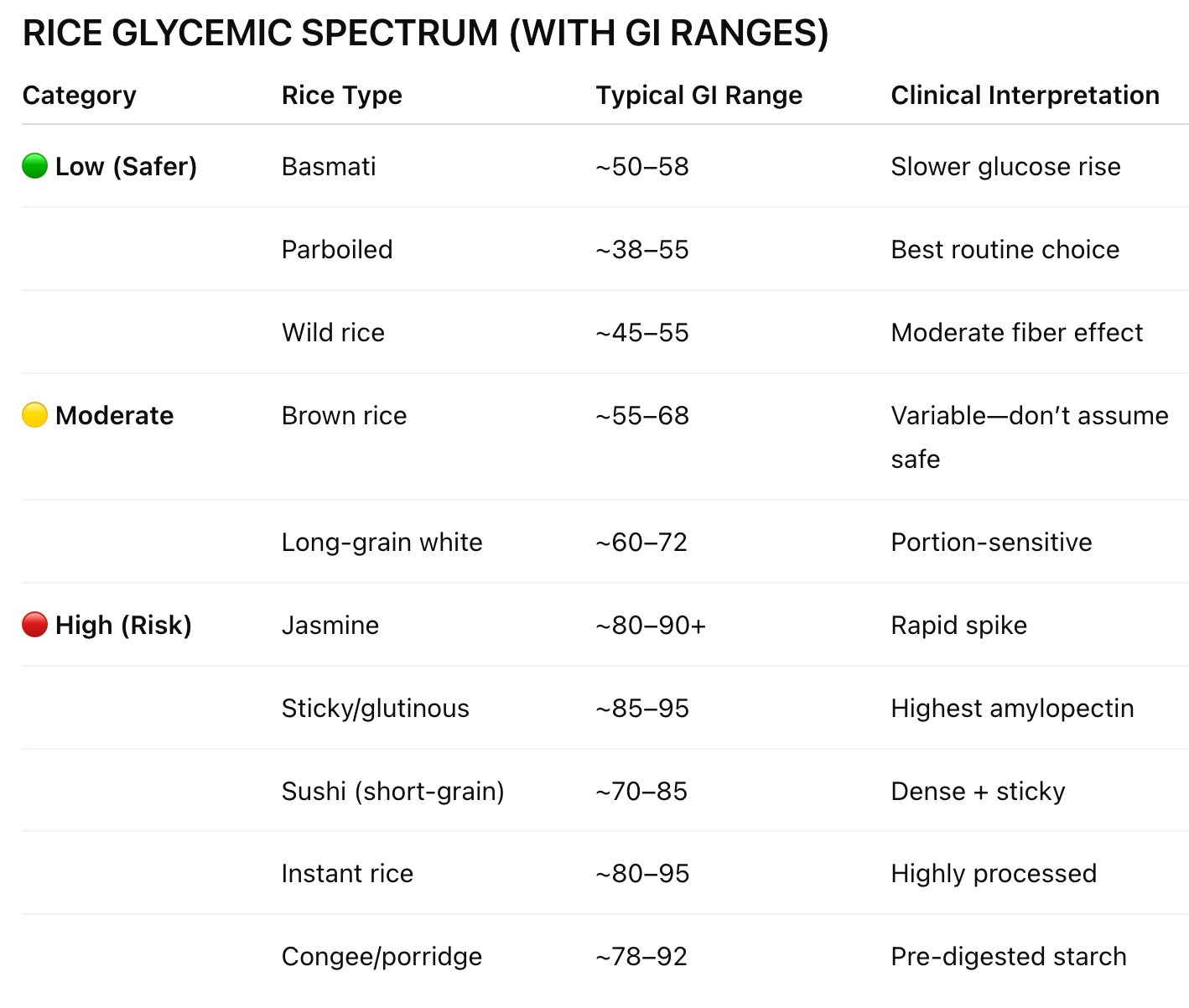
Basmati is usually one of the safer common choices, especially compared with jasmine or sticky rice. In published GI data, basmati often falls in the low-to-medium range, and one Singapore study found an overall mean GI of 59 for basmati versus 91 for jasmine. The official GI database also lists multiple basmati products in roughly the low-to-medium range, though not every basmati product is equally low.
2) Parboiled rice
Parboiled rice is often a strong option for people trying to limit glucose spikes. Diabetes Canada lists parboiled rice among lower-GI grain options, and GI research summaries have reported very low values for some parboiled rice preparations.
3) High-amylose long-grain rice
High-amylose long-grain rice is generally safer than sticky, low-amylose rice. The GI literature has shown that high-amylose rice can test much lower than low-amylose varieties, and the official GI news summaries emphasize that variety matters more than simply whether the rice is white or brown.
4) Wild rice and some black/red rice preparations
Wild rice is not technically true rice, but it is often a better blood-sugar choice than common white rice. GI sources list wild rice around the medium range, and black rice has been reported as low GI in at least one database entry. These are not universal guarantees, but they are often better than sticky white rice.
Most Dangerous Rice (High Glycemic Spike)
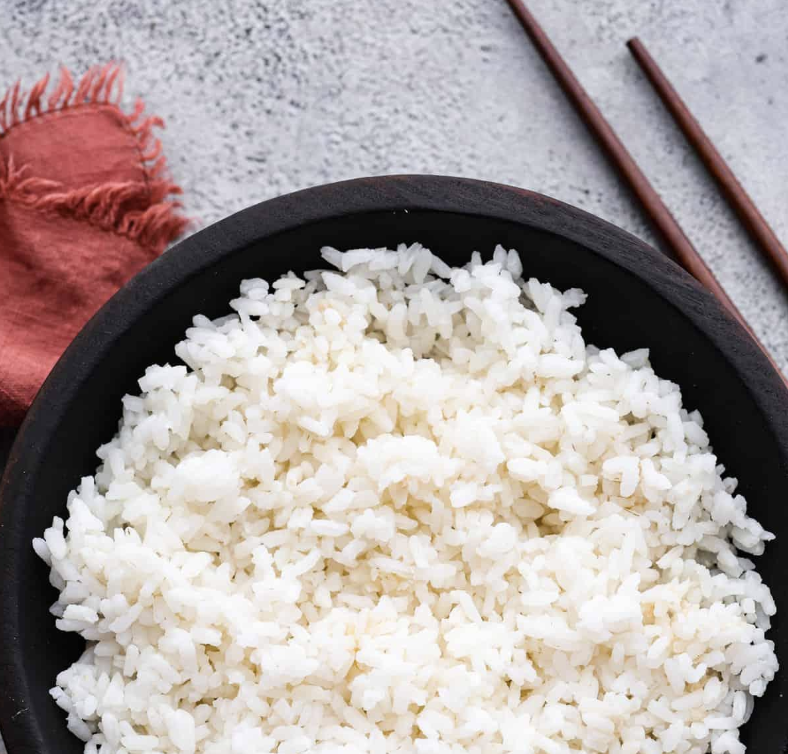
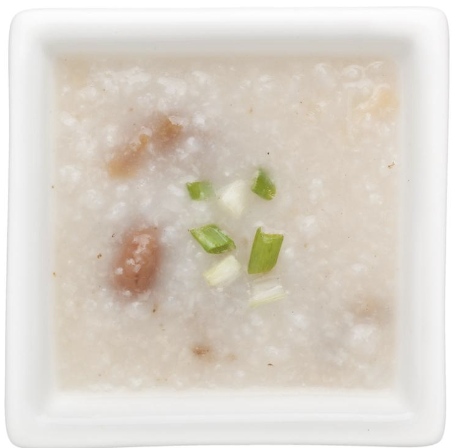
Limit or avoid frequent use:
- Why:
- High amylopectin
- Rapid digestion
- Large post-meal glucose spikes
The riskiest rice choices
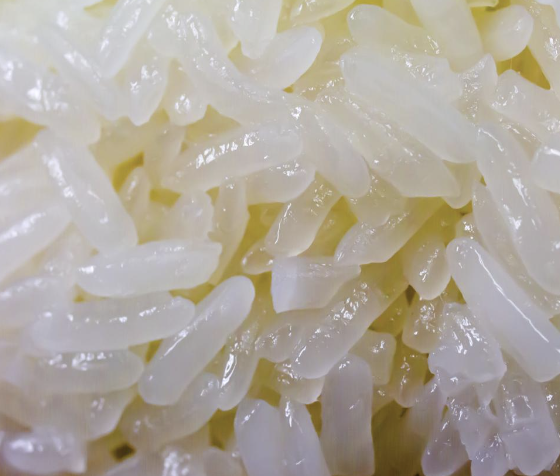
1) Jasmine rice
Jasmine rice is one of the more concerning common varieties for glycemic response. In the Singapore trial, jasmine’s mean GI was 91, and a U.S. study of American-grown jasmine rice also classified tested jasmine samples as high-GI foods.
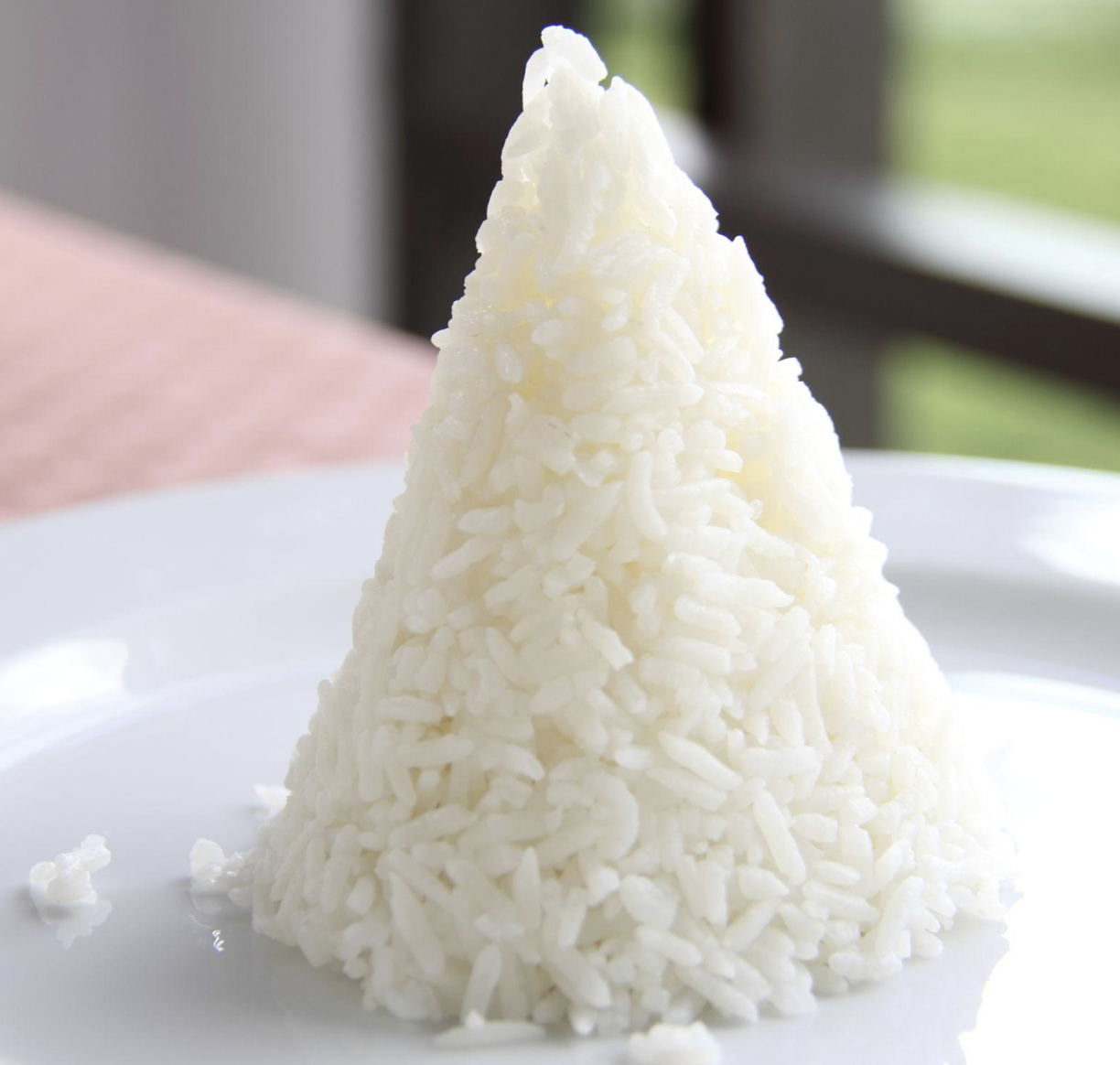
2) Sticky, glutinous, and many short-grain rices
Sticky and glutinous rice tends to be riskier because it is rich in amylopectin and is digested rapidly. Diabetes Canada places sticky, sushi, and short-grain rice in the high-GI category to choose least often.
3) Instant rice, rice porridge, and highly processed rice products
Processing usually pushes GI upward. Harvard notes that processing increases GI, Diabetes Canada classifies instant rice and rice porridge/congee among higher-GI choices, and GI summaries have shown that quick-cooking rice products can test surprisingly high.
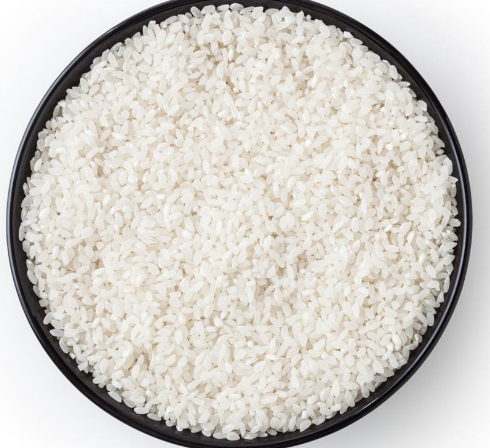
4) Broken rice
Broken rice can be one of the fastest-rising choices. The GI database shopping guide lists Thai broken rice at GI 86, clearly in the high range.
Rice across cultures and ethnicities
Rice choices often track with culinary traditions. South Asian meals often use basmati, which is usually one of the better rice options. Many East and Southeast Asian meals use jasmine, sticky rice, congee, or other softer short-grain preparations that can push glycemic response higher. Mediterranean and Middle Eastern cooking more often includes basmati or parboiled long-grain rice, which may be metabolically friendlier. These are broad food-pattern observations, not fixed rules about any ethnicity.
Ethnicity also does not mean that one group has a completely different GI for the same rice. In the Singapore study, jasmine and basmati had similar GI values across Chinese, Malay, and Asian-Indian groups, although insulin responses were higher among Asian-Indians. That means the rice type itself still matters enormously, even when underlying susceptibility differs.
At the population level, high white-rice intake has been associated with greater diabetes risk, with stronger associations reported in South Asia than in China in the PURE study. That does not prove that ethnicity alone is the cause; it likely reflects a mix of rice type, quantity, meal pattern, background diet, body composition, and metabolic susceptibility.
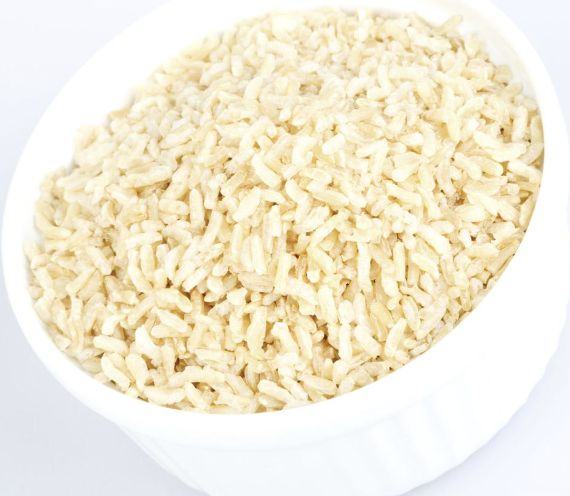
The Brown Rice Myth
- Brown rice ≠ automatically low GI
- Some brown rice = moderate or high GI
- Variety matters more than color
Ethnicity & Cultural Patterns
- Rice across cultures and ethnicities
Rice choices often track with culinary traditions. South Asian meals often use basmati, which is usually one of the better rice options. Many East and Southeast Asian meals use jasmine, sticky rice, congee, or other softer short-grain preparations that can push glycemic response higher. Mediterranean and Middle Eastern cooking more often includes basmati or parboiled long-grain rice, which may be metabolically friendlier. These are broad food-pattern observations, not fixed rules about any ethnicity.
Ethnicity also does not mean that one group has a completely different GI for the same rice. In the Singapore study, jasmine and basmati had similar GI values across Chinese, Malay, and Asian-Indian groups, although insulin responses were higher among Asian-Indians. That means the rice type itself still matters enormously, even when underlying susceptibility differs.
At the population level, high white-rice intake has been associated with greater diabetes risk, with stronger associations reported in South Asia than in China in the PURE study. That does not prove that ethnicity alone is the cause; it likely reflects a mix of rice type, quantity, meal pattern, background diet, body composition, and metabolic susceptibility.
The practical ranking
Best bets most of the time
- Parboiled rice
- True basmati rice
- High-amylose long-grain rice
- Wild rice
- Some black or red rice preparations
Middle ground
- Many standard long-grain white rices
- Some brown rices
- Arborio and other medium-grain rice
- Mixed rice blends
Most dangerous for blood sugar spikes
- Jasmine rice
- Sticky/glutinous rice
- Sushi/short-grain rice
- Broken rice
- Instant rice
- Rice porridge/congee
How to make rice safer
Even a high-GI rice can be made less damaging if the meal is built properly. GI guidance notes that portion size affects glycemic load, and eating rice with beans, lentils, vegetables, protein, vinegar, or healthy fats can blunt the glucose rise. In other words, rice alone is usually the worst version of rice.
Cooking method matters too. Overcooking and creating a very soft, sticky texture usually makes starch easier to absorb. Less aggressive cooking, intact grains, and mixed meals generally improve the metabolic profile.
Q: Does adding fat help?
Possibly.
Cooking rice with a small amount of fat (e.g., coconut oil) and then cooling may:
- Promote amylose–lipid complexes
- Slightly increase resistant starch formation
Q: Does overnight boiling or long simmering make rice healthier?
No.
Prolonged boiling or simmering breaks down starch structure further, making rice softer and more rapidly absorbed. This can increase glycemic response, not reduce it.
Q: What method actually improves rice metabolically?
Cook → Cool → (Reheat optional)
- Cooling cooked rice (≥ 8–12 hours) leads to formation of resistant starch (RS3)
- Resistant starch is not fully digested in the small intestine
- This results in a modest reduction in post-meal glucose spikes
Q: Does reheating reverse the benefit?
No.
Reheating does not fully destroy resistant starch once it has formed.
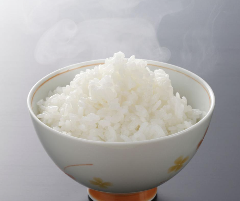
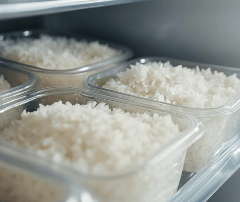
|
Left Panel — Freshly Cooked Rice Starch State: Gelatinized starch Readily accessible glucose Metabolic Effect: Rapid digestion Higher glucose spike Higher insulin response |
Right Panel — Cooled (and Reheated) Rice Starch State: Retrograded starch (Resistant Starch RS3) Reduced digestibility Metabolic Effect: Slower absorption Lower glucose spike (modest) Improved satiety |
Q: What makes rice most dangerous metabolically?
- Overcooking (soft, sticky texture)
- Instant or pre-processed rice
- Large portions
- Eating rice alone (no protein/fiber)
One more caution: arsenic
If rice is eaten frequently, arsenic exposure is worth mentioning. Harvard notes that rice can accumulate substantially more arsenic than many other grains, and the FDA reports that cooking rice in excess water can reduce inorganic arsenic by roughly 40–60%, though it may also lower some added vitamins in enriched rice.
Quick Ranking
Rice + Meal Context: Why What You Eat With Rice Matters More Than Rice Alone
|
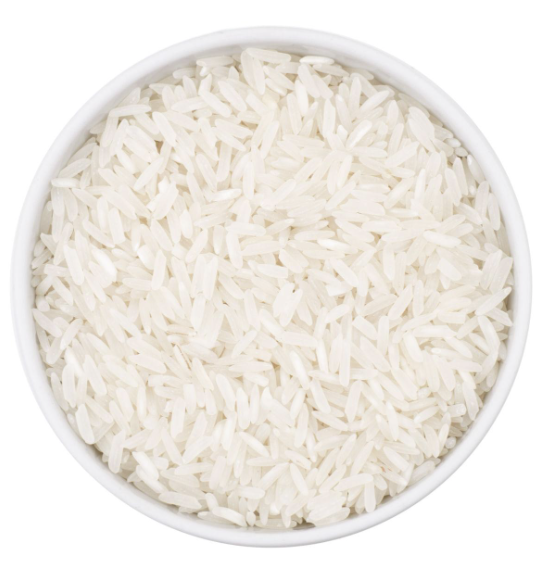
Rice Alone Meal Composition: Refined starch only Physiology: Rapid gastric emptying Fast glucose absorption Metabolic Effect: High glucose spike High insulin response Short satiety |
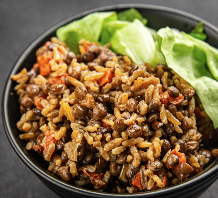
Rice + Legumes Meal Composition: Starch + fiber + protein Physiology: Slower digestion Delayed glucose absorption Metabolic Effect: Lower glucose spike Reduced insulin demand Improved satiety |
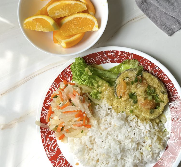
Rice + Fat / Protein Meal Composition: Starch + fat + protein Physiology: Slowed gastric emptying Blunted glucose rise Metabolic Effect: Moderate glucose response Lower peak insulin Prolonged satiety |
Practical Application
- Rice alone → avoid routine use
- Rice + lentils/beans → ideal traditional pattern
- Rice + fish/meat + vegetables → acceptable modern pattern
How to Make Rice Safer
- Reduce portion size (glycemic load matters)
- Pair with:
- Protein (fish, eggs, legumes)
- Fiber (vegetables)
- Fat (olive oil, nuts)
- Avoid overcooking (less gelatinization)
- Prefer intact grains over processed forms
- Rice is not the problem—repeated high-Glycemic Index exposure is.
Bottom Line
- Choose basmati or parboiled as default
- Treat jasmine, sticky, and instant rice as occasional foods
- Think in terms of structure, not color
- In high-risk populations (Pacific, South Asia, Indigenous groups), switching rice type alone can materially lower metabolic burden without removing rice culturally.
Internal Links (Suggested)
- Metabolic Disease
- Fructose Science
- Dangerous Starches
- Safe Starches
- Ancestral Diets
- Glycemic Index and Glycemic Load