Introduction
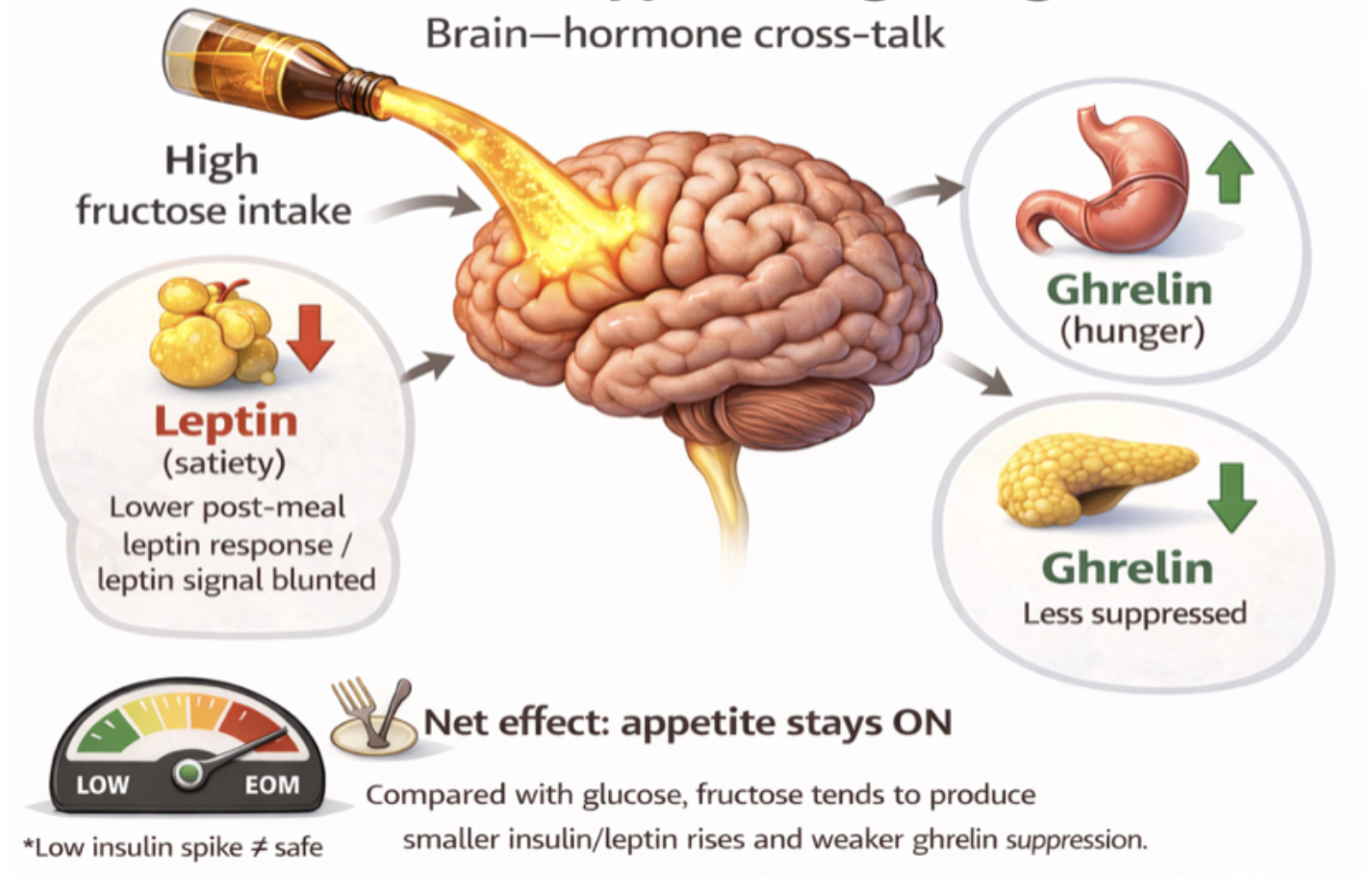
Energy balance in the human body is regulated by complex signaling systems that coordinate appetite, metabolism, and energy expenditure. One of the most important hormones involved in this regulation is leptin, a hormone produced by adipose tissue.
Leptin acts as a signal of the body’s energy stores. When fat stores increase, leptin levels rise, informing the brain that sufficient energy is available. In theory, this signal should reduce appetite and increase energy expenditure.
However, in many individuals with obesity, this regulatory system becomes disrupted. Despite elevated leptin levels, appetite regulation remains impaired. This condition is known as leptin resistance.
Understanding leptin resistance helps explain why body weight regulation is influenced by complex biological processes rather than simple caloric balance alone.
Discovery of Leptin
Leptin was discovered in the 1990s through studies of genetic obesity in laboratory mice. Researchers identified a gene responsible for producing a hormone that signals the brain about the body’s fat stores.
Animals lacking this hormone developed severe obesity because their brains could not properly sense energy availability. When leptin was administered to these animals, appetite decreased and body weight declined.
This discovery established leptin as a key regulator of energy balance.
How Leptin Works
Leptin is secreted primarily by adipocytes, the cells that store fat within adipose tissue.
Once released into the bloodstream, leptin travels to the brain and interacts with receptors in the hypothalamus, a region responsible for regulating hunger and metabolism.
Leptin signaling normally produces several physiological effects:
• suppression of appetite
• increased energy expenditure
• regulation of reproductive and endocrine functions
• modulation of immune signaling
Through these mechanisms, leptin helps maintain stable body weight over time.
The Development of Leptin Resistance
In individuals with obesity, circulating leptin levels are often significantly elevated. Despite this increase, the brain may become less responsive to leptin signaling.
Several mechanisms have been proposed to explain leptin resistance, including:
• impaired transport of leptin across the blood–brain barrier
• inflammation within hypothalamic signaling pathways
• alterations in leptin receptor signaling
• interactions with other metabolic hormones
As leptin signaling becomes less effective, appetite regulation becomes disrupted and the body’s ability to maintain energy balance declines.
Interaction with Insulin and Metabolic Signals
Leptin signaling does not operate independently. It interacts with several other hormonal and metabolic systems, including insulin signaling.
Both leptin and insulin communicate information about energy availability to the brain. When metabolic disturbances such as insulin resistance develop, these signaling pathways may influence each other.
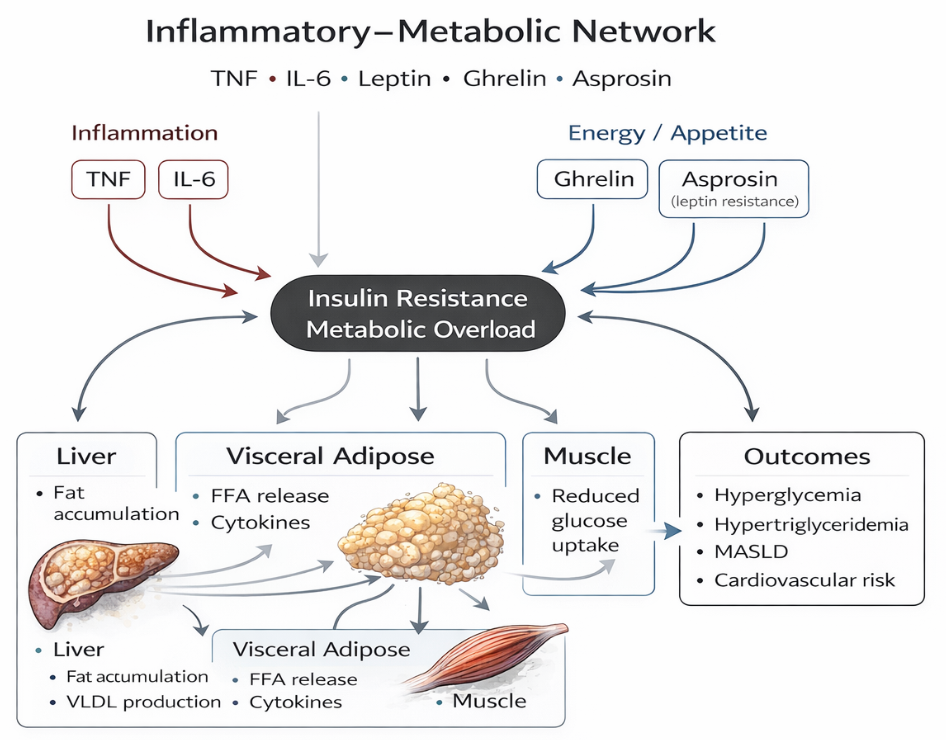
Chronic metabolic stress, inflammation, and changes in adipose tissue signaling may therefore affect both insulin sensitivity and leptin responsiveness.
Role of Inflammation
Inflammatory signaling appears to play an important role in the development of leptin resistance.
As visceral adiposity increases, inflammatory cytokines produced by adipose tissue may affect signaling pathways within the hypothalamus. These inflammatory processes can interfere with the normal function of leptin receptors.
This interaction illustrates how metabolic inflammation can influence central regulation of appetite and metabolism.
Implications for Metabolic Disease
Leptin resistance contributes to several metabolic conditions, including:
• obesity
• metabolic syndrome
• insulin resistance
• fatty liver disease
Because leptin signaling helps regulate appetite and energy balance, disruption of this system can make weight regulation more difficult.
For this reason, leptin resistance is often considered part of the broader metabolic environment associated with chronic metabolic disease.
Research Perspectives
Researchers continue to investigate the mechanisms underlying leptin resistance and its relationship to metabolic disease.
Areas of study include:
• hypothalamic inflammation
• hormonal interactions between adipose tissue and the brain
• genetic influences on leptin signaling
• potential therapies targeting leptin pathways
Bottom Line
Leptin, Ghrelin and Aprosin are hunger related hormones. Understanding these processes may help clarify the biological mechanisms that regulate energy balance and the abnormal hunger signals found in metabolic syndrome.
Related Topics
Readers interested in the metabolic pathways discussed on this page may also explore:
• Adipokines: Hormones of Adipose Tissue
• Visceral Adiposity and Inflammatory Signaling
• Insulin Resistance
• Metabolic Syndrome
These pages examine the broader metabolic signaling networks involved in energy regulation.