Introduction
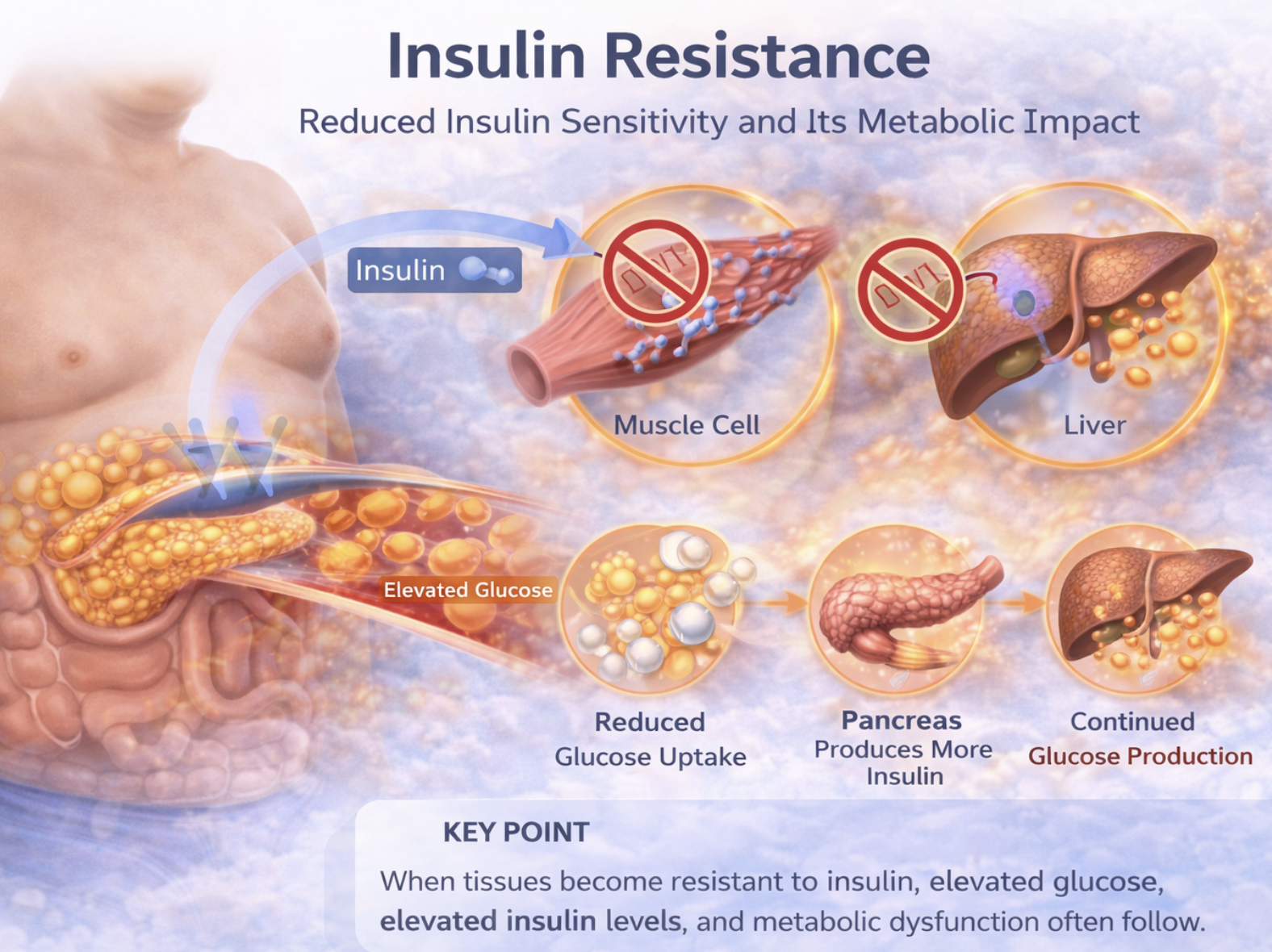
Insulin resistance is a metabolic condition in which the body’s tissues respond less effectively to the hormone insulin. Because insulin plays a central role in regulating blood glucose, reduced sensitivity to this hormone can disrupt multiple metabolic pathways.
Insulin resistance is widely recognized as one of the central biological processes underlying metabolic syndrome, type 2 diabetes, and several related disorders. It is also closely associated with obesity, fatty liver disease, and cardiovascular risk.
Understanding insulin resistance is therefore essential for understanding modern metabolic disease.
The Role of Insulin
Insulin is a hormone produced by the pancreas in response to rising blood glucose levels after a meal. Its primary function is to help cells absorb glucose from the bloodstream and use it for energy.
Insulin also influences several other metabolic processes, including:
• storage of glucose as glycogen in the liver and muscles
• regulation of lipid metabolism
• inhibition of glucose production by the liver
In healthy metabolic conditions, insulin signaling maintains stable blood glucose levels while coordinating energy storage and utilization.
What Happens in Insulin Resistance
When insulin resistance develops, cells in the liver, muscle, and adipose tissue become less responsive to insulin signals.
As a result:
• glucose uptake by tissues decreases
• the liver continues producing glucose even when it is not needed
• circulating insulin levels increase as the pancreas attempts to compensate
Over time, the pancreas may struggle to maintain this increased insulin production. When this occurs, blood glucose levels begin to rise, eventually leading to prediabetes or type 2 diabetes.
Relationship to Visceral Fat
Insulin resistance is strongly associated with visceral adiposity, the accumulation of fat around abdominal organs.
Visceral adipose tissue releases fatty acids and signaling molecules that influence inflammation and metabolic regulation. These signals can interfere with insulin signaling pathways and promote metabolic dysfunction.
As visceral fat increases, insulin resistance often becomes more pronounced.
The Liver and Insulin Resistance
The liver plays a critical role in glucose regulation. Under normal conditions, insulin suppresses the liver’s production of glucose between meals.
In insulin-resistant states, this suppression becomes less effective. The liver may continue producing glucose even when blood glucose levels are already elevated.
At the same time, excess nutrients may be converted into triglycerides within the liver, contributing to fatty liver disease. This process further amplifies metabolic dysfunction.
Early and Silent Development
Insulin resistance often develops gradually and may remain undetected for many years.
During early stages, the body compensates by producing higher levels of insulin. Blood glucose levels may remain within normal ranges despite significant metabolic changes.
Eventually, however, this compensation may fail. Rising glucose levels then signal the transition toward prediabetes or type 2 diabetes.
Because of this long silent phase, insulin resistance is often well established before clinical disease becomes apparent.
Environmental Influences
Several environmental factors contribute to the development of insulin resistance:
• excess caloric intake
• diets high in refined carbohydrates and added sugars
• sedentary lifestyle
• chronic stress
• sleep disruption
These influences interact with genetic susceptibility and metabolic physiology to shape individual risk.
Prevention and Management
Interventions aimed at improving metabolic health can often improve insulin sensitivity.
These may include:
• increased physical activity
• improved dietary patterns
• reduction of visceral adiposity
• improved sleep and stress regulation
In some cases, medications are also used to help manage glucose regulation.
Because insulin resistance lies near the center of metabolic disease, addressing it can have broad effects on overall metabolic health.
Related Topics
Readers interested in exploring the metabolic pathways connected to insulin resistance may also consult:
Fasting Glucose
HbA1c
Prediabetes
Type 2 Diabetes
Metabolic Syndrome
These topics examine the biological processes that frequently accompany insulin resistance.