Introduction
Tumor necrosis factor, usually abbreviated TNF or TNF-alpha, is one of the best-known inflammatory signaling molecules in human biology. It is produced by immune cells, adipose tissue, and other cell types in response to stress, infection, tissue injury, and metabolic overload.
TNF plays a normal role in host defense and immune regulation. In the right context, it helps the body respond to infection and coordinate inflammatory signaling. However, when TNF signaling becomes chronically elevated, it can contribute to tissue dysfunction, insulin resistance, vascular injury, and broader metabolic disease.
Understanding TNF helps explain how inflammation connects obesity, fatty liver, insulin resistance, and cardiometabolic risk.
What Is TNF?
TNF is a cytokine, a small signaling protein used by cells to communicate during immune and inflammatory responses.
It was originally identified because of its ability to cause necrosis in certain tumor models, which led to its name. Over time, it became clear that TNF has much broader biological importance.
TNF is now recognized as a major mediator of:
- inflammation
- immune activation
- cell survival and cell death signaling
- endothelial activation
- metabolic dysfunction under chronic stress conditions
How TNF Works
TNF is released into the local tissue environment and bloodstream, where it binds to specific receptors on target cells.
These receptors activate intracellular signaling pathways that can alter gene expression, inflammatory activity, cellular stress responses, and metabolic signaling.
Depending on the context, TNF signaling can:
- recruit immune cells
- amplify inflammation
- alter insulin receptor signaling
- affect endothelial function
- promote tissue remodeling or injury
In acute illness, this may be adaptive. In chronic metabolic disease, it can become harmful.
Sources of TNF
TNF is produced by multiple tissues and cell types, including:
- macrophages
- monocytes
- adipose tissue immune cells
- endothelial cells
- hepatocytes under stress
- other activated immune and stromal cells
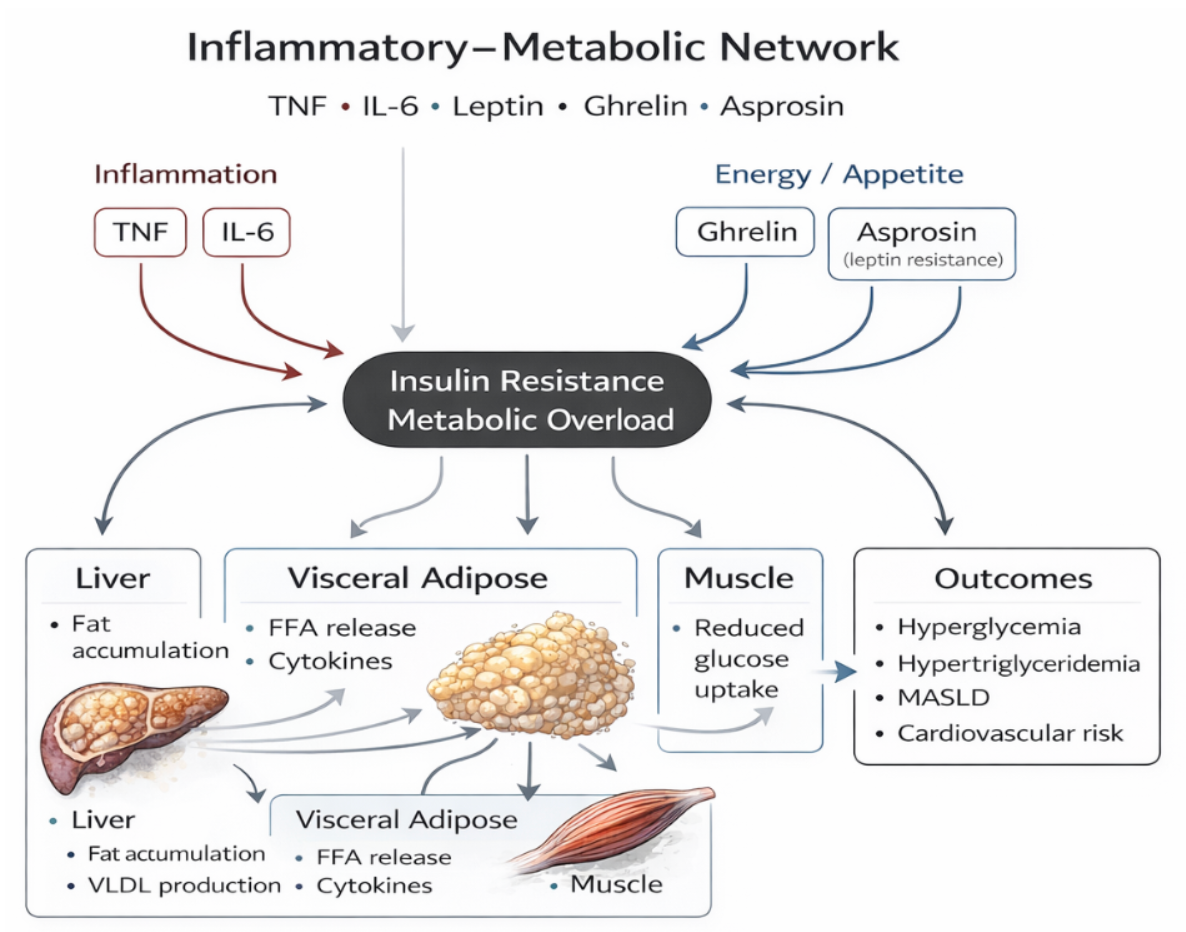
In obesity and metabolic syndrome, adipose tissue becomes an important source of inflammatory cytokines, including TNF. This is especially true in visceral adipose tissue, where enlarged fat depots attract immune-cell infiltration and inflammatory activation.
TNF and Metabolic Inflammation
One of the most important roles of TNF in modern medicine is its connection to chronic low-grade inflammation.
Unlike the intense inflammation seen in infection, metabolic inflammation is usually persistent, low-grade, and tissue-based. TNF is one of the molecules that helps sustain this state.
As visceral adiposity increases, TNF signaling may rise alongside other inflammatory mediators. This contributes to a metabolic environment characterized by:
- impaired insulin signaling
- altered adipose tissue function
- worsening hepatic fat accumulation
- increased vascular stress
For this reason, TNF is often considered part of the inflammatory framework of metabolic syndrome.
TNF and Insulin Resistance
TNF has been strongly linked to insulin resistance.
Under normal conditions, insulin signaling allows tissues such as muscle, liver, and adipose tissue to regulate glucose uptake, nutrient storage, and metabolic balance. TNF can interfere with this process by disrupting signaling pathways downstream of the insulin receptor.
This can contribute to:
- reduced glucose uptake
- impaired suppression of hepatic glucose production
- worsening hyperinsulinemia
- progressive metabolic dysfunction
This connection helped establish the idea that inflammation is not separate from metabolism. In many cases, the two are tightly linked.
TNF and Adipose Tissue
Adipose tissue is not just a passive storage depot for fat. It is an active endocrine and inflammatory organ.
As adipose tissue expands, particularly in central obesity, it undergoes structural and metabolic changes:
- adipocytes enlarge
- local oxygen stress may increase
- immune-cell infiltration rises
- cytokine production increases
TNF is one of the major inflammatory signals involved in this transition.
This helps explain why central obesity is associated not just with increased body mass, but with broader metabolic and inflammatory consequences.
TNF and the Liver
The liver is another major target of TNF-related metabolic stress.
In fatty liver disease, inflammatory signaling contributes to the progression from simple steatosis to more active liver injury. TNF has been implicated in:
- hepatic inflammatory activation
- worsening insulin resistance
- hepatocyte stress
- progression of liver injury in metabolic dysfunction
This is one reason inflammatory pathways are so relevant in MASLD and MASH.
TNF and the Vascular System
TNF also affects the vascular system.
It can promote endothelial dysfunction, alter vascular tone, and increase inflammatory activity in blood vessels. Over time, this contributes to a pro-atherogenic environment.
This helps connect metabolic inflammation to cardiovascular disease.
In this sense, TNF is one of the signaling molecules that links:
- obesity
- insulin resistance
- fatty liver
- vascular dysfunction
- cardiometabolic risk
TNF in Chronic Disease
Persistently elevated TNF signaling has been associated with a wide range of chronic disorders, including:
- obesity
- metabolic syndrome
- insulin resistance
- fatty liver disease
- atherosclerosis
- inflammatory bowel disease
- rheumatoid arthritis
- psoriasis
This broad relevance reflects the fact that TNF sits near the intersection of immunity, inflammation, and tissue stress.
Therapeutic Relevance
TNF is also important because it became one of the first cytokines to be directly targeted by major biologic therapies.
Anti-TNF drugs transformed treatment in several inflammatory diseases, especially rheumatologic and gastrointestinal disorders. These therapies confirmed that TNF is not just a biomarker of inflammation but an active driver in certain disease processes.
In metabolic disease, however, the story is more complex. TNF clearly contributes to metabolic dysfunction, but broad anti-inflammatory therapy has not become a standard treatment for obesity or metabolic syndrome in the same way it has for autoimmune disease.
Even so, understanding TNF remains important for explaining the biology of chronic metabolic stress.
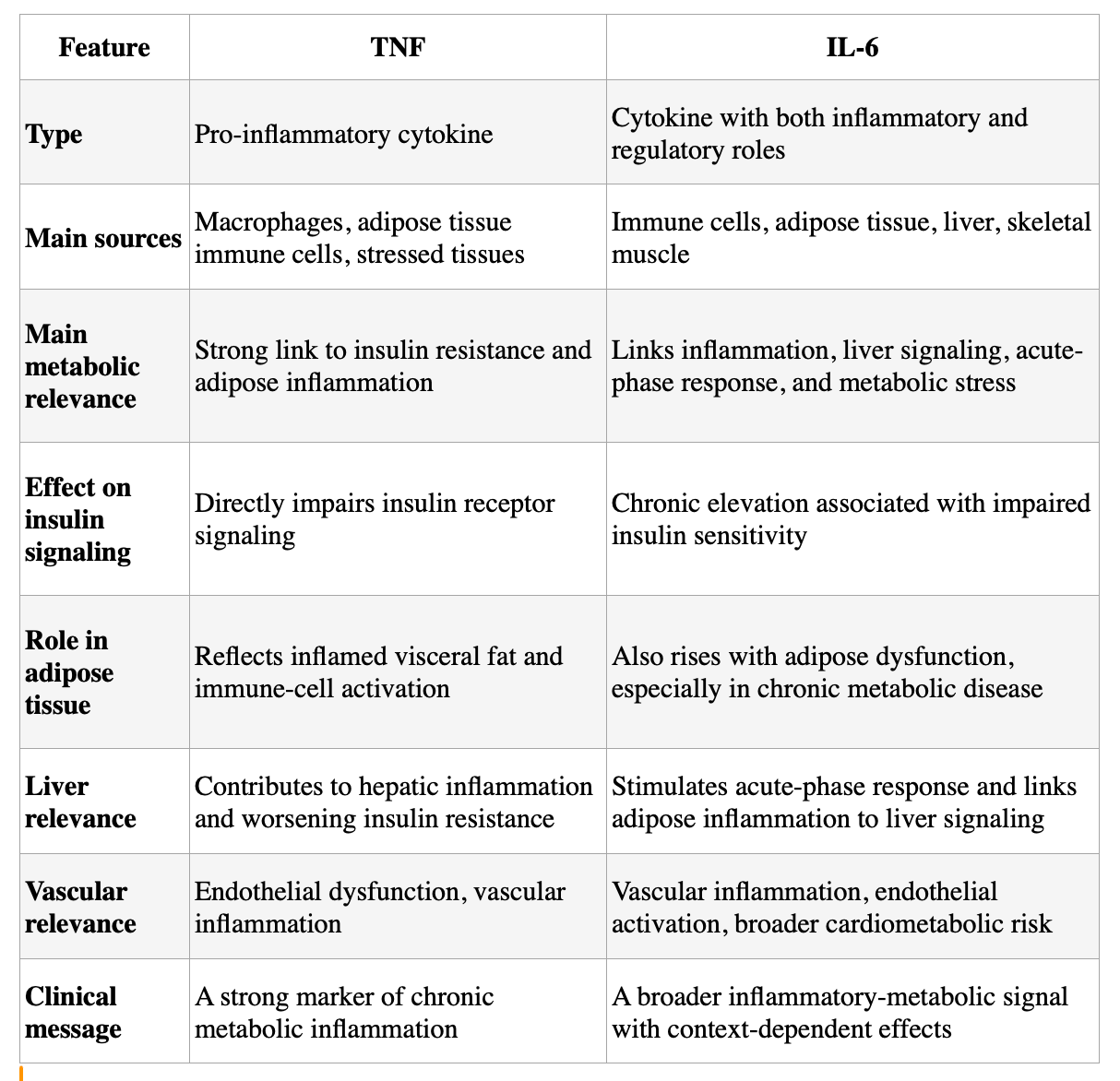
Comparison Table of Tumor Necrosis Factor and Interleukin-6
Research Perspectives
Researchers continue to study TNF in relation to:
- adipose tissue inflammation
- insulin resistance
- liver injury
- cytokine signaling networks
- cardiovascular disease
- interactions among TNF, IL-6, leptin, and other metabolic signals
This work helps clarify how chronic nutrient overload can become chronic inflammatory activation.
Bottom Line
TNF is a major inflammatory cytokine that plays a central role in linking immune signaling to metabolic disease.
When chronically elevated, TNF can contribute to:
- insulin resistance
- adipose tissue dysfunction
- fatty liver
- vascular injury
- broader cardiometabolic risk
For that reason, TNF is best understood not simply as an immune molecule, but as part of the biological bridge between inflammation and metabolic dysfunction.