Introduction
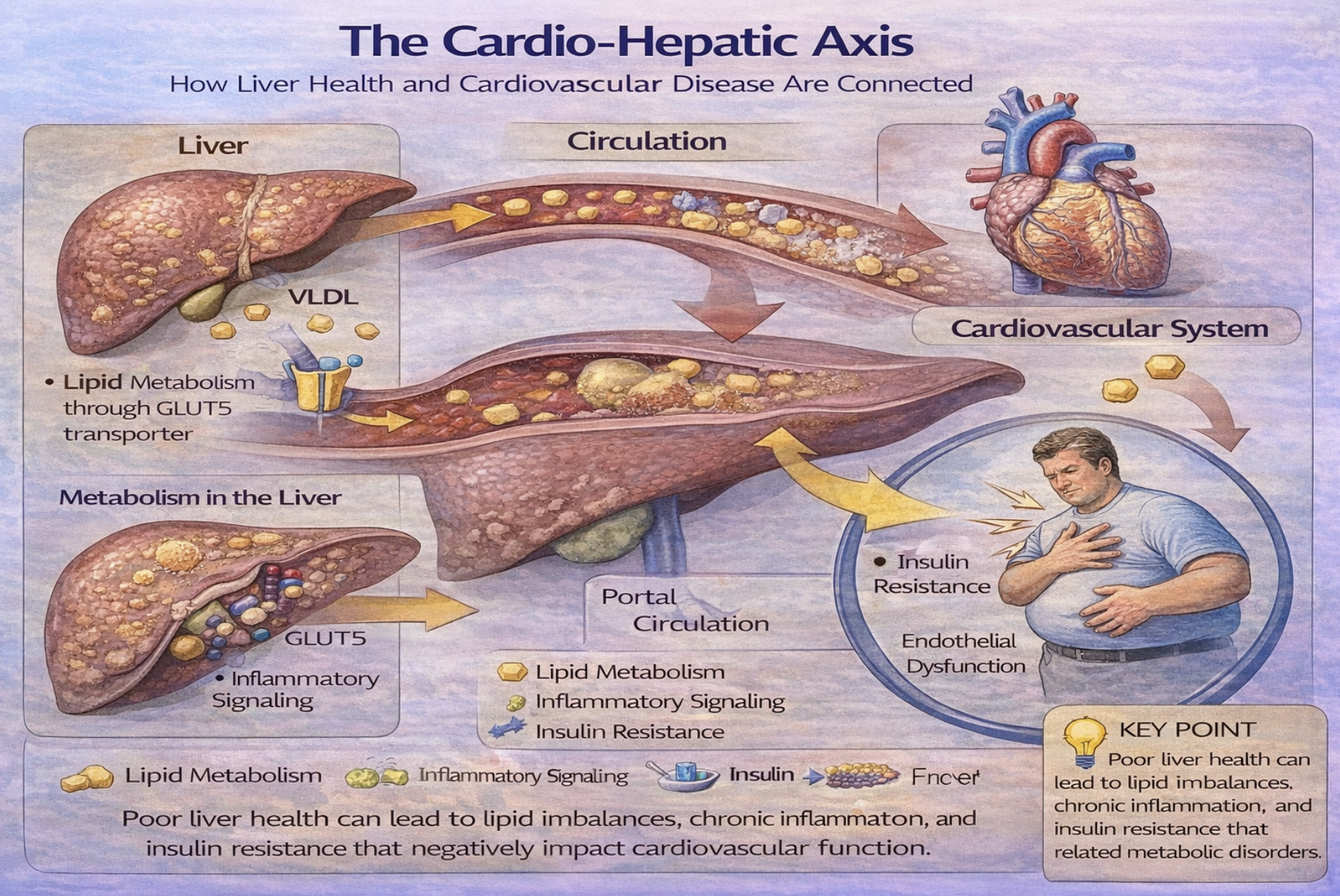
The liver and the cardiovascular system are closely linked through metabolic regulation. In recent years, researchers have increasingly recognized that disturbances in liver metabolism can influence cardiovascular health in important ways.
This relationship is sometimes described as the cardio-hepatic axis. The concept reflects the idea that metabolic processes occurring in the liver can affect lipid metabolism, inflammatory signaling, vascular function, and ultimately the development of cardiovascular disease.
Because metabolic disorders frequently involve both hepatic and cardiovascular systems, understanding this connection is essential for explaining modern patterns of cardiometabolic disease.
The Liver as a Metabolic Control Center
The liver occupies a central position in the body’s metabolic network. It processes nutrients absorbed from the intestine, regulates glucose production, synthesizes lipids, and produces many proteins involved in circulation and immune function.
After a meal, nutrients travel from the intestine to the liver through the portal vein, exposing the liver to high concentrations of carbohydrates, fats, and other dietary substrates.
The liver then determines how these nutrients are distributed throughout the body. It may convert carbohydrates into glycogen for storage, synthesize fatty acids, or package lipids into lipoproteins that circulate through the bloodstream.
Because of these roles, disturbances in liver metabolism can influence systemic metabolic balance.
Lipid Metabolism and Cardiovascular Risk
One of the most important connections between the liver and cardiovascular disease involves lipid metabolism.
The liver synthesizes triglycerides and packages them into very-low-density lipoprotein (VLDL) particles. These lipoproteins circulate through the bloodstream and eventually contribute to the formation of low-density lipoprotein (LDL), a key component of atherosclerotic plaque.
When liver metabolism becomes disrupted—through insulin resistance, fatty liver disease, or metabolic overload—lipid production and lipoprotein composition may change.
These alterations can increase circulating triglycerides and promote the formation of atherogenic lipoprotein particles.
Fatty Liver and Cardiovascular Disease
Fatty liver disease has become one of the most common metabolic disorders worldwide. In many individuals, hepatic fat accumulation occurs alongside obesity, insulin resistance, and metabolic syndrome.
Studies increasingly show that individuals with metabolic dysfunction–associated steatotic liver disease (MASLD) face higher risks of cardiovascular disease compared with those without liver fat.
In fact, cardiovascular complications are often the leading cause of death among individuals with fatty liver disease.
This observation highlights the importance of viewing liver health within the broader context of cardiometabolic disease.
Inflammatory Signaling
The liver also participates in systemic inflammatory regulation.
Hepatocytes and immune cells within the liver produce several proteins involved in inflammatory signaling, including C-reactive protein (CRP) and other acute-phase reactants.
In metabolic disease, chronic low-grade inflammation may develop within both adipose tissue and the liver. These inflammatory signals can influence vascular function and contribute to endothelial dysfunction.
Over time, inflammatory processes may accelerate the development of atherosclerosis and vascular injury.
Insulin Resistance and the Liver
Insulin resistance affects multiple organs, but the liver plays a particularly important role in glucose regulation.
When hepatic insulin signaling becomes impaired, the liver may continue producing glucose even when blood glucose levels are already elevated. At the same time, lipid synthesis pathways may become more active.
These changes can contribute to both hyperglycemia and dyslipidemia, two major risk factors for cardiovascular disease.
The liver therefore acts as a key intermediary between metabolic disturbances and vascular outcomes.
A Systems Perspective
The cardio-hepatic axis illustrates the importance of viewing metabolic disease as a systems disorder.
The liver, adipose tissue, pancreas, and cardiovascular system operate within an interconnected network of metabolic signaling pathways. When one component becomes dysregulated, the effects often propagate through multiple organ systems.
Recognizing these interactions allows clinicians and researchers to better understand why metabolic disorders frequently lead to cardiovascular complications.
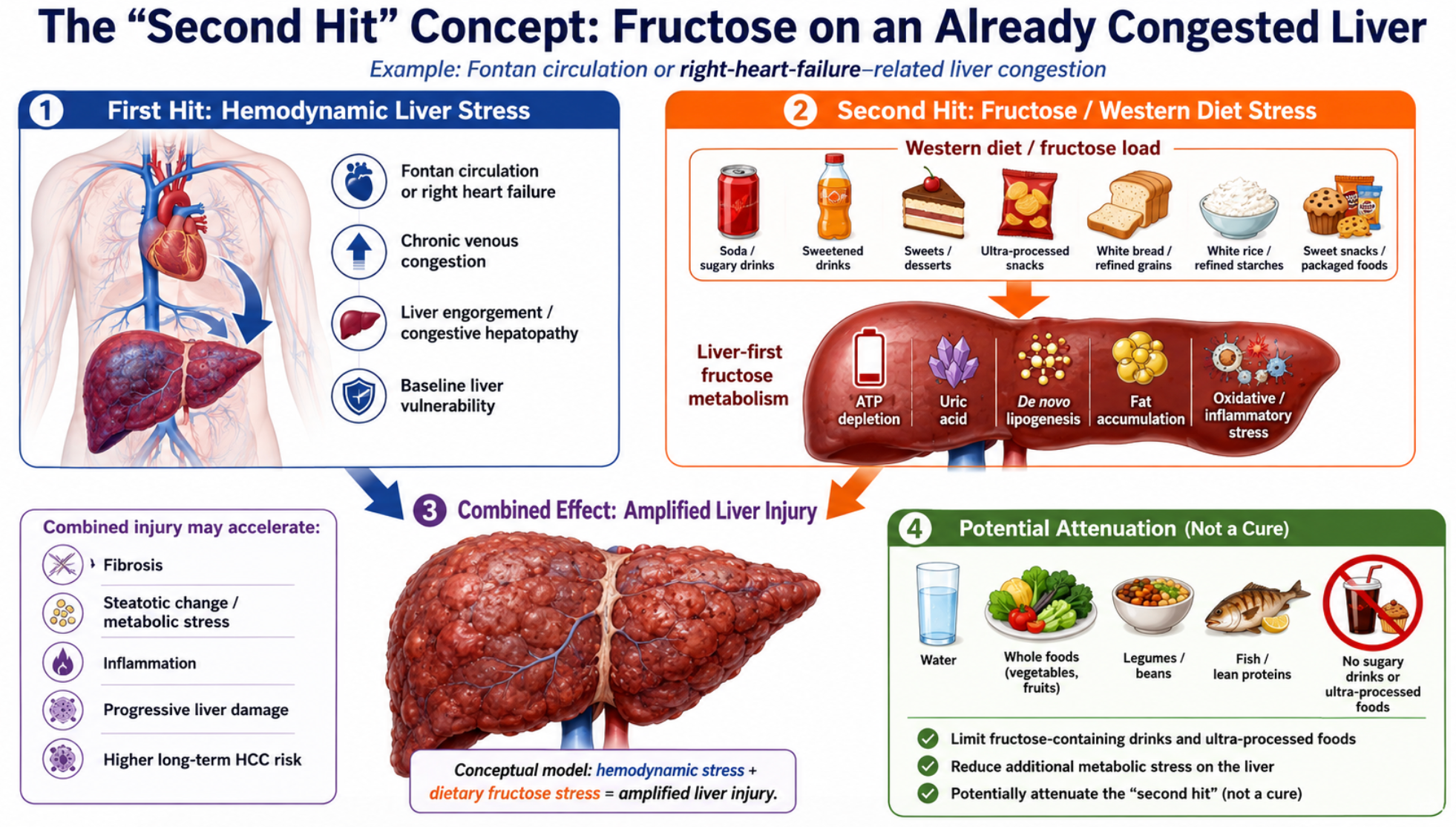
Fructose as a second hit hypothesis.
This is a hypothesis only, based on Dr Gregor's research on Western diet effect on ethnicities most prone to liver damage from modern high sugar food, but with a background on right heart failure and passive congestion of the liver.
Clinical Implications
For clinicians, the cardio-hepatic axis highlights the value of assessing metabolic health when evaluating cardiovascular risk.
Markers such as liver fat accumulation, elevated triglycerides, insulin resistance, and inflammatory biomarkers may all provide insight into cardiometabolic risk.
Addressing metabolic dysfunction early—through lifestyle modification and appropriate medical management—may help reduce the long-term burden of cardiovascular disease.
Related Topics
Readers interested in exploring the metabolic processes discussed on this page may also consult:
These topics examine the biological pathways that link liver metabolism to cardiovascular disease.