Introduction
The human digestive tract contains trillions of microorganisms, including bacteria, viruses, fungi, and other microbes. Together these organisms form a complex ecological community known as the gut microbiome.
Over the past two decades, scientific research has increasingly shown that the gut microbiome plays an important role in human health. Microbial communities in the intestine influence digestion, immune function, metabolism, and inflammatory signaling.
Because metabolic diseases such as obesity, insulin resistance, and fatty liver disease involve complex interactions between diet, metabolism, and inflammation, researchers have begun examining how the gut microbiome may influence these processes.
The Microbial Ecosystem of the Gut
The human gut microbiome contains thousands of microbial species. Most of these organisms reside in the large intestine, where they participate in the digestion of nutrients that are not fully broken down in the small intestine.
These microbes help process:
• dietary fiber
• resistant starches
• certain proteins and fats
• plant-derived compounds
Through these metabolic activities, gut microbes produce a variety of molecules that interact with the host’s metabolism.
Microbial Metabolites
One important function of the gut microbiome is the production of microbial metabolites, small molecules generated through microbial metabolism.
Among the most studied metabolites are short-chain fatty acids (SCFAs) such as:
• acetate
• propionate
• butyrate
These molecules are produced when gut bacteria ferment dietary fibers. Short-chain fatty acids can influence several physiological processes, including energy metabolism, immune regulation, and intestinal health.
Microbiome and Energy Balance
Research suggests that the gut microbiome may influence how efficiently energy is extracted from food.
Certain microbial communities appear to be more efficient at breaking down complex carbohydrates and producing absorbable metabolites. These processes may influence the amount of energy the body derives from the diet.
Although the precise role of these mechanisms in human obesity remains under investigation, studies suggest that microbial composition may influence metabolic regulation.
Inflammation and the Microbiome
The gut microbiome also interacts closely with the immune system.
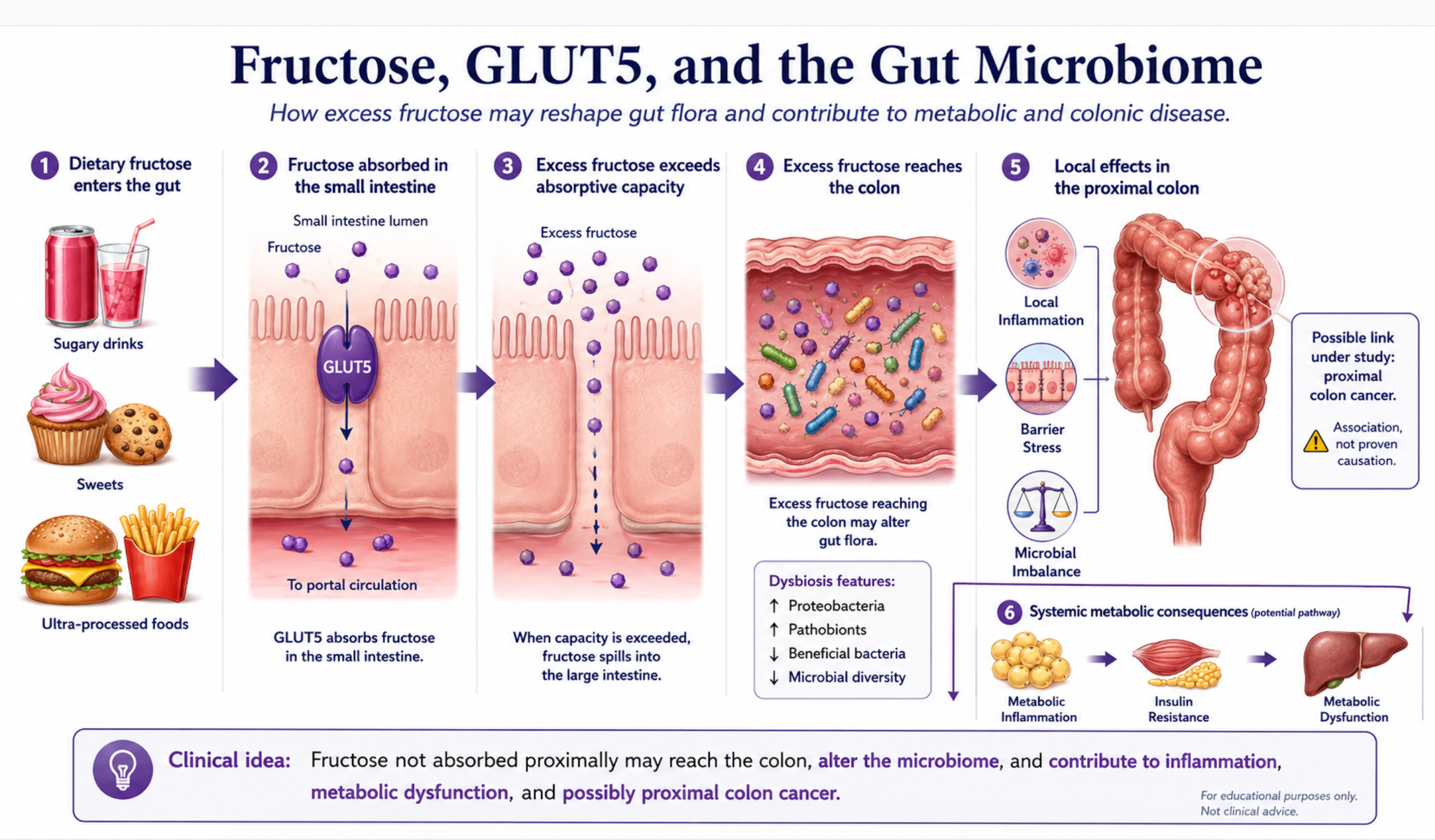
Under normal conditions, intestinal microbes help maintain the integrity of the gut barrier and regulate immune responses. However, disturbances in microbial composition—sometimes referred to as dysbiosis—may influence inflammatory signaling.
Some researchers have proposed that changes in the gut microbiome could contribute to chronic low-grade inflammation associated with metabolic syndrome and insulin resistance.
Diet and Microbial Composition
Diet plays an important role in shaping the gut microbiome.
Dietary patterns rich in whole foods, fiber, and plant-based nutrients tend to support diverse microbial communities. In contrast, diets high in ultra-processed foods and low in fiber may reduce microbial diversity.
Because dietary patterns strongly influence both metabolic health and microbial composition, studying the relationship between diet and the microbiome has become an important area of metabolic research.
Microbiome and Liver Metabolism
The gut and liver are closely connected through the portal circulation, which transports nutrients and microbial metabolites directly from the intestine to the liver.
This connection is sometimes described as the gut–liver axis.
Microbial metabolites and inflammatory signals produced in the intestine can influence hepatic metabolism, potentially affecting pathways involved in lipid synthesis, glucose regulation, and inflammation.
These interactions may play a role in conditions such as fatty liver disease.
Research and Future Directions
Research into the gut microbiome is evolving rapidly. Scientists are investigating how microbial communities interact with diet, metabolism, and immune function.
Areas of active study include:
• the relationship between microbiome composition and metabolic disease
• how dietary changes alter microbial populations
• the role of microbial metabolites in metabolic signaling
• potential therapies targeting the microbiome
Although many questions remain, the microbiome represents an important frontier in understanding metabolic health.
Related Topics
Readers interested in the metabolic pathways discussed on this page may also explore:
• Ultra-Processed Foods and the Modern Diet
• Visceral Adiposity and Inflammatory Signaling
• Insulin Resistance
• Fatty Liver Disease (MASLD)
These pages examine other components of the metabolic environment that influence human physiology.