Introduction
Metabolic syndrome is a common pattern seen in modern health: weight gain around the abdomen, rising blood sugar, abnormal cholesterol, fatty liver, and increased risk of heart disease.
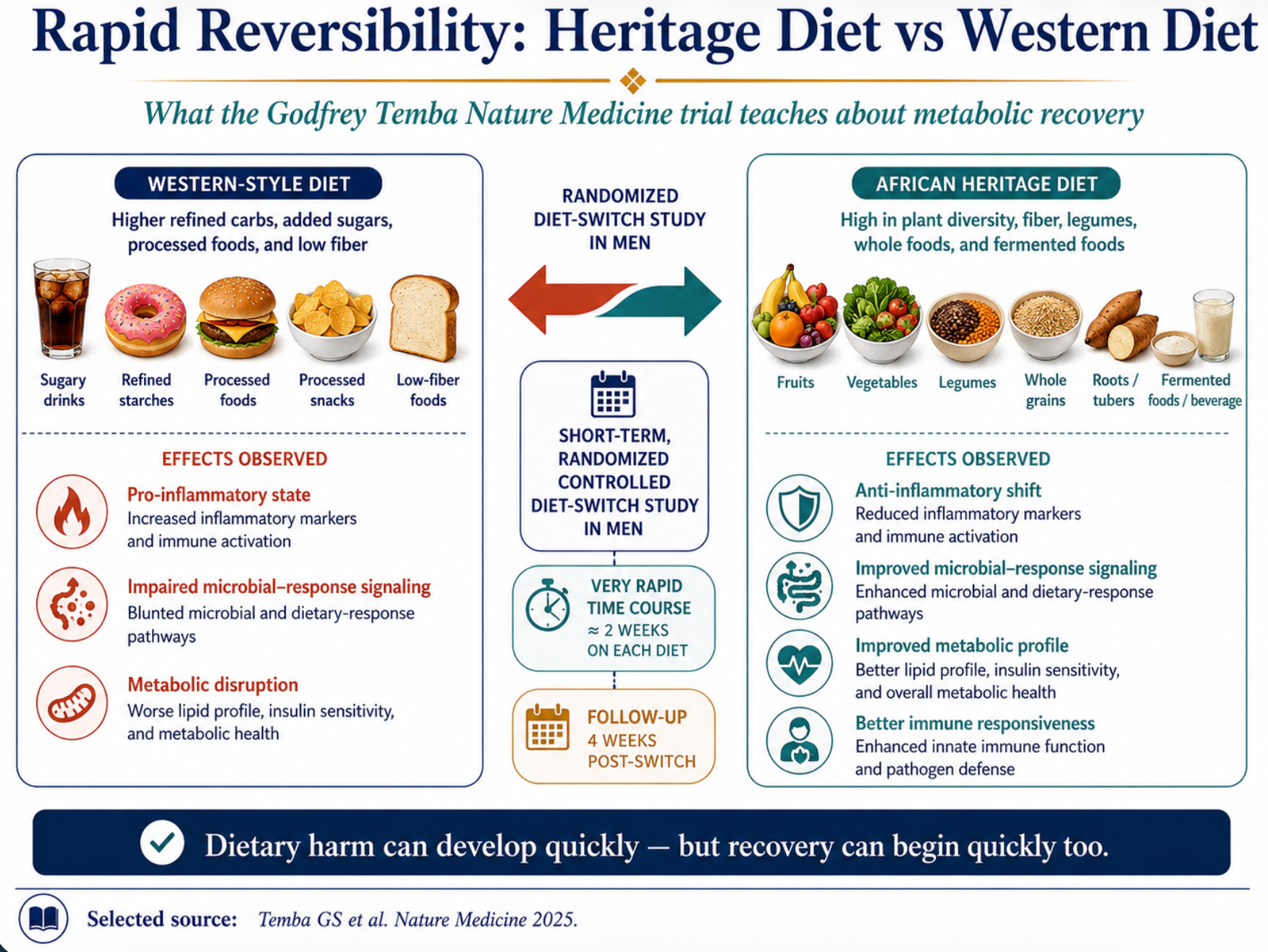
What does “reversal” mean?
Reversal does not mean the body returns to a completely new state.
It means that key features improve enough that the syndrome is no longer present.
This may include:
- reduced waist size
- improved blood sugar
- lower triglycerides
- better liver health
- improved inflammatory markers
- reduced cardiovascular risk
In practical terms, the metabolic system begins to function more normally again.
The role of weight loss
One of the most consistent findings in medical research is that moderate weight loss can significantly improve metabolic health.
Even a 5–10% reduction in body weight can lead to:
- improved insulin sensitivity
- reduction in liver fat
- better blood lipid levels
Greater weight loss often produces greater improvement.
New medical therapies
In recent years, newer medications have become available that help regulate appetite and metabolism through hormone pathways in the body.
Reversing Metabolic Syndrome with Drugs
These therapies act on natural signals that control hunger, satiety, and energy balance. As a result, many patients experience:
- reduced appetite
- meaningful weight loss
- improved blood sugar control
- improved cholesterol and triglycerides
In clinical studies, these changes often move patients out of the range that defines metabolic syndrome.
Not a “quick fix”
It is important to understand that these treatments work best as part of a long-term approach.
If the underlying environment does not change—especially diet and daily habits—the metabolic pattern can return.
For this reason, the most durable improvements are seen when:
- food quality improves
- intake of refined sugars is reduced
- physical activity increases
- treatment is maintained when appropriate
Why this matters
Metabolic syndrome is not just about weight or blood sugar.
It is a signal that multiple systems in the body are under strain:
- the liver
- the pancreas
- adipose tissue
- the cardiovascular system
When these systems are supported—through diet, behavior, and sometimes medication—the entire metabolic picture can improve.
The bigger picture
The rise of metabolic syndrome is closely tied to changes in the modern food environment.
Frequent exposure to refined carbohydrates and sugary beverages keeps the body in a state of continuous nutrient input.
Reversal begins when that pattern is interrupted.
Bottom line
Metabolic syndrome is often reversible, especially in its earlier stages.
The most effective approach combines:
- improved diet, preferably the diet that kept your ancestors healthy for thousands of years
- drastic reduction in sugar and processed food intake
- sustained lifestyle change
- and, when appropriate, modern medical therapy
The goal is not perfection.
The goal is to reduce metabolic overload and allow the body’s natural regulatory systems to recover.
The Best way?
1: The Human genome has been mapped and is open-source on the Web. So, ask family or do a gene study for your ancestral genetic profile.
Use an AI Chatbox, and ask, "With my ancestry of [your ethnicity/ethnicities], tell me how my genes interact with fructose, what are my disease risks, and list good foods and bad foods".
2: The second way is to read the Ancestral Foods chapter of the Sweet Killer. Internets Press produced these sample ancestral profiles by performing an AI inquiry similar to the one we suggest in the paragraph above.