Introduction
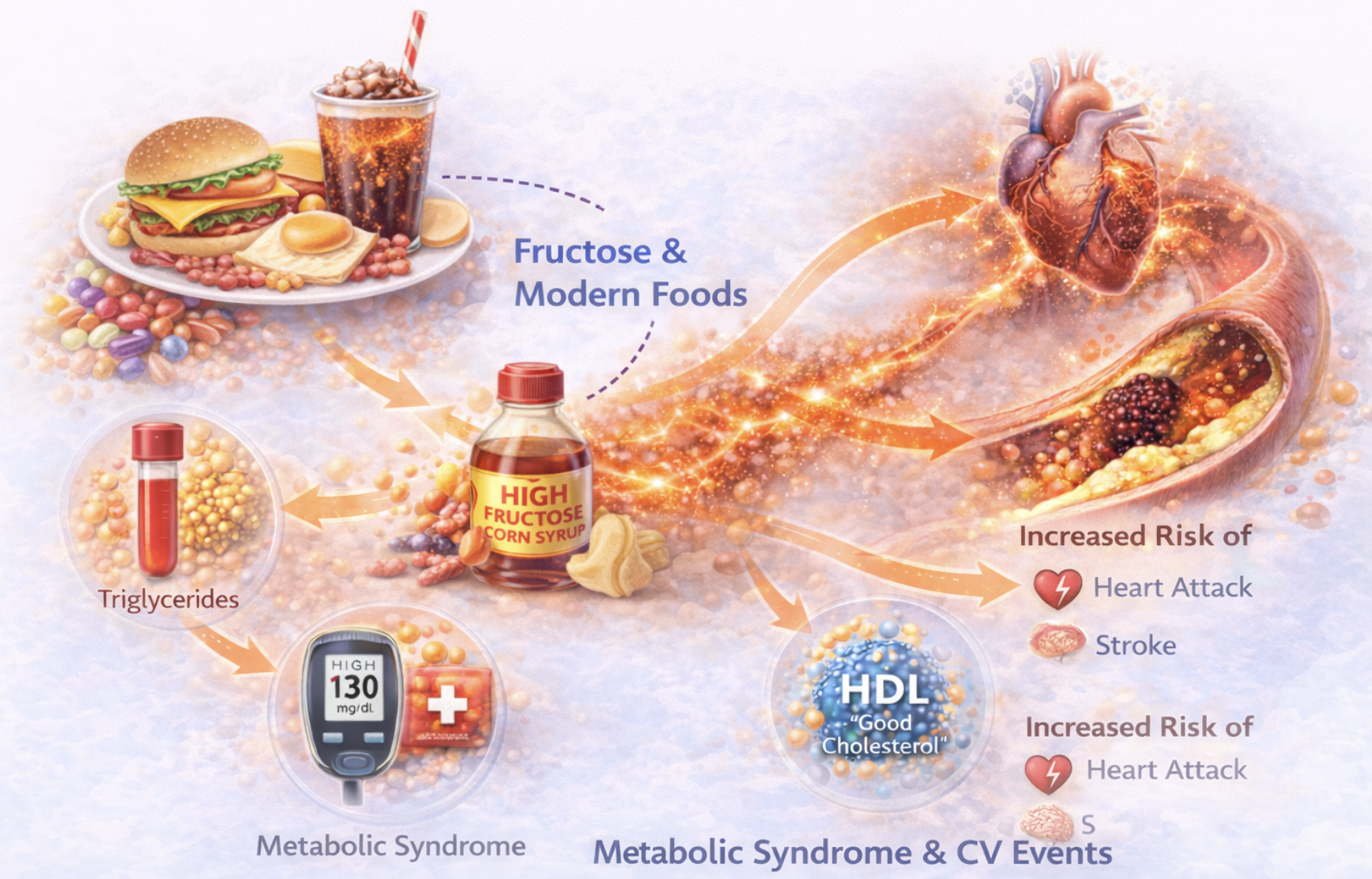
Cardiovascular disease remains one of the leading causes of death worldwide. Heart attacks, strokes, heart failure, and other vascular disorders account for a substantial portion of global mortality.
Over the past several decades, researchers have increasingly recognized that many forms of cardiovascular disease are closely linked with metabolic dysfunction. Conditions such as obesity, insulin resistance, fatty liver disease, and dyslipidemia frequently precede the development of cardiovascular complications.
Metabolic syndrome represents one of the clearest examples of this relationship. Individuals with metabolic syndrome face significantly higher risks of coronary artery disease, stroke, and other vascular disorders.
Understanding how metabolic disturbances affect the cardiovascular system is therefore essential for understanding modern patterns of heart disease.
The Metabolic–Cardiovascular Connection
The cardiovascular system is highly sensitive to metabolic changes.
Several features of metabolic syndrome influence cardiovascular health:
• elevated triglycerides
• reduced HDL cholesterol
• insulin resistance
• chronic low-grade inflammation
• elevated blood pressure
Together these factors contribute to conditions that can damage blood vessels and accelerate the development of atherosclerosis, the buildup of fatty plaques within arterial walls.
Over time, these plaques can narrow arteries or rupture, leading to heart attacks and strokes.
Dyslipidemia
One of the most important cardiovascular risk factors associated with metabolic syndrome is dyslipidemia, an abnormal pattern of circulating lipids.
This pattern often includes:
• elevated triglycerides
• reduced HDL cholesterol
• increased numbers of small, dense LDL particles
These lipid abnormalities can promote plaque formation within arteries and increase the likelihood of vascular complications.
Because lipid metabolism is closely linked to liver function and insulin signaling, dyslipidemia often appears alongside other metabolic disturbances.
Inflammation and Vascular Injury
Metabolic syndrome is also associated with chronic low-grade inflammation.
Visceral adipose tissue releases inflammatory signaling molecules that circulate throughout the body. These molecules can affect the lining of blood vessels, known as the endothelium.
Endothelial dysfunction may impair the ability of blood vessels to regulate blood flow and maintain normal vascular tone. Over time this dysfunction can contribute to plaque formation and arterial stiffness.
Inflammatory signaling therefore represents another pathway linking metabolic disease to cardiovascular risk.
Hypertension
Elevated blood pressure frequently accompanies metabolic syndrome.
Several mechanisms may contribute to this relationship, including:
• increased sympathetic nervous system activity
• altered kidney sodium handling
• vascular stiffness
• metabolic signaling pathways involving insulin and adipose tissue
Persistent hypertension places mechanical stress on blood vessels and the heart, further increasing cardiovascular risk.
Fatty Liver and Cardiovascular Risk
Fatty liver disease is increasingly recognized as a marker of cardiometabolic risk.
Individuals with metabolic dysfunction–associated steatotic liver disease (MASLD) often show higher rates of insulin resistance, dyslipidemia, and systemic inflammation. These factors contribute to the development of cardiovascular disease.
In many cases, cardiovascular complications become the leading cause of mortality among individuals with fatty liver disease.
For this reason, clinicians often consider liver fat accumulation as part of the broader metabolic picture rather than a condition limited to the liver itself.
A Systemic Disorder
The relationship between metabolic syndrome and cardiovascular disease illustrates an important principle: metabolic disease is fundamentally systemic.
The liver, pancreas, adipose tissue, vascular system, and endocrine signaling networks all participate in metabolic regulation. When these systems are disrupted, the consequences extend well beyond any single organ.
Viewing cardiovascular disease through this metabolic lens helps explain why prevention strategies often focus on improving overall metabolic health.
Prevention and Risk Reduction
Reducing cardiovascular risk in individuals with metabolic syndrome typically involves addressing the underlying metabolic disturbances.
Common approaches include:
• improving dietary patterns
• increasing physical activity
• reducing visceral adiposity
• managing blood pressure and lipid levels
• improving insulin sensitivity
Medical therapies may also be used when appropriate to control cholesterol, blood pressure, or glucose levels.
Early intervention can significantly reduce the likelihood of cardiovascular complications.
Related Topics
Readers interested in exploring the metabolic pathways connected to cardiovascular disease may also consult:
These pages examine the metabolic mechanisms that frequently precede cardiovascular complications.